
Glycerin, a clear, odorless, and viscous liquid, often plays a supporting role in skincare products. But don’t let its humble appearance fool you. This simple compound is a powerhouse ingredient that offers a multitude of benefits for your skin.
What is Glycerin?
Glycerin, also known as glycerol, is a trihydric alcohol derived from vegetable oils. It’s a humectant, meaning it draws moisture from the air and binds it to the skin. This hydrating property makes glycerin an essential component in many skincare formulations.
Benefits of Glycerin for Your Skin
* Hydration: As a humectant, glycerin helps to replenish and retain moisture in the skin. This is particularly beneficial for those with dry or dehydrated skin.
* Softness and Suppleness: By keeping the skin hydrated, glycerin promotes a soft, supple texture. It can help to reduce the appearance of fine lines and wrinkles.
* Barrier Function: Glycerin can help strengthen the skin’s natural barrier, protecting it from environmental stressors and preventing moisture loss.
* Soothing and Calming: Glycerin can soothe irritated skin and reduce redness. It’s often used in products for sensitive skin.
* Enhanced Absorption: Glycerin can help other ingredients penetrate the skin more effectively, making it a valuable component in skincare formulations.
Glycerin in Skincare Products
Glycerin can be found in a wide range of skincare products, including:
* Moisturizers: Glycerin is a common ingredient in both face and body moisturizers. It helps to hydrate the skin and prevent dryness.
* Serums: Serums often contain a high concentration of glycerin to deliver intense hydration and other active ingredients to the skin.
* Cleansers: Some cleansers incorporate glycerin to help maintain moisture balance while removing impurities.
* Masks: Glycerin is often included in hydrating and soothing face masks.
* Hair Care Products: Glycerin can also be added to hair conditioners and styling products to help moisturize the scalp and reduce frizz.
How to Use Glycerin
While glycerin is typically used in skincare products, you can also use it directly on your skin. Simply dilute glycerin with water and apply it to your face and neck. However, it’s important to patch test glycerin before using it directly on your skin, as it can be irritating for some people.
Tips for Using Glycerin
* Choose the Right Products: Look for skincare products that contain glycerin as one of the main ingredients.
* Consider Your Skin Type: Glycerin is generally suitable for all skin types, but those with extremely dry or sensitive skin may benefit from products with a higher concentration of glycerin.
* Combine with Other Ingredients: Glycerin can be combined with other hydrating ingredients, such as hyaluronic acid or aloe vera, for even more effective moisture retention.
* Patch Test: If you’re using glycerin directly on your skin, it’s important to patch test it first to check for any allergic reactions.
Glycerin: A Versatile Ingredient
Glycerin is a versatile ingredient that offers numerous benefits for your skin. Its ability to hydrate, soothe, and protect the skin makes it a valuable addition to any skincare routine. By incorporating glycerin-containing products into your daily regimen, you can help to achieve a healthy, glowing complexion.
Fun Facts About Glycerin
* Glycerin is a natural byproduct of soap-making.
* Glycerin has been used as a sweetener and preservative for centuries.
* Glycerin is also used in a variety of industrial applications, including antifreeze, hydraulic fluids, and explosives.
* Glycerin can help to soften the skin on your hands and feet.
* Glycerin can be used as a natural hair conditioner.
Conclusion
Glycerin is an unsung hero of skincare, offering a multitude of benefits for your skin. From hydration and soothing to barrier protection and enhanced absorption, glycerin is a versatile ingredient that can help you achieve a healthy, glowing complexion. So next time you’re looking for a skincare product, be sure to check the ingredient list for this valuable compound.
Categorie: skin info
-
Glycerin: The Unsung Hero of Skincare
-

I’m Not Lazy, I’m Just on Energy-Saving Mode
Let’s face it, the gym can sometimes feel like a battleground. There are those who seem to have an endless supply of motivation, while the rest of us are left wondering how we ended up here. But fear not, my fellow gym-goers, for I’m here to share some witty, funny, and super motivating tips to help you conquer those lazy days and hit the gym with a vengeance.
The Power of Positive Self-Talk
* Reframe your thoughts: Instead of thinking, “I don’t feel like going to the gym,” try saying, “I’m about to crush this workout and feel amazing afterward.”
* Use humor: A little laughter can go a long way. Tell yourself jokes or funny stories to lighten the mood and boost your spirits.
* Create positive affirmations: Write down positive statements about yourself and repeat them daily. For example, “I am strong, capable, and determined.”
Find a Workout Buddy
* Accountability partner: Having someone to work out with can help you stay accountable and motivated.
* Friendly competition: A little friendly competition can make workouts more fun and challenging.
* Shared goals: Setting goals together can help you stay motivated and focused.
Set Realistic and Achievable Goals
* Small steps: Start with small, achievable goals and gradually increase the intensity and duration of your workouts.
* Celebrate your successes: Reward yourself for achieving your goals, no matter how small they may seem.
* Don’t beat yourself up: If you miss a workout, don’t beat yourself up about it. Just pick up where you left off and keep going.
Make Exercise Fun
* Mix it up: Try different types of workouts to keep things interesting.
* Find a workout you enjoy: If you’re not enjoying your workouts, it’s time to find something new.
* Listen to music: Listening to upbeat music can help you stay motivated and energized during your workouts.
Create a Motivational Playlist
* Pump up the volume: Choose songs that make you want to get up and move.
* Create a variety of moods: Include songs that are upbeat, energetic, and inspiring.
* Personalize your playlist: Choose songs that have personal significance to you.
Visualize Your Success
* Imagine your goals: Picture yourself achieving your fitness goals and feeling confident and healthy.
* Create a vision board: Create a visual representation of your goals to keep you motivated and inspired.
* Use positive imagery: Surround yourself with images of fit and healthy people to help you stay motivated.
Reward Yourself
* Treat yourself: Reward yourself for achieving your goals with something you enjoy.
* Small rewards: Even small rewards can help you stay motivated.
* Avoid food rewards: Try to avoid using food as a reward, as this can lead to unhealthy eating habits.
Stay Consistent
* Don’t give up: Consistency is key to achieving your fitness goals.
* Make it a habit: Incorporate exercise into your daily routine.
* Be patient: It takes time to see results, so don’t get discouraged if you don’t see immediate changes.
Remember, motivation is a journey, not a destination. There will be days when you feel unmotivated, but it’s important to keep pushing forward. With a little creativity and perseverance, you can overcome any obstacle and achieve your fitness goals. -

A Family Legacy of Innovation, Compassion, and ResilienceDr. Simon Ourian’s family history is a testament to the power of innovation, compassion,
Dr. Simon Ourian’s family history is a testament to the power of innovation, compassion, and resilience. Born in Iran to a Persian family, Ourian’s family experienced firsthand the challenges and uncertainties of immigration. Despite these hardships, his family’s entrepreneurial spirit and unwavering commitment to helping others have shaped his career and his approach to patient care.
Ourian’s family has a long history of innovation and entrepreneurship. His parents instilled in him the importance of hard work, dedication, and pursuing one’s passions. This entrepreneurial spirit has undoubtedly influenced his career as a cosmetic dermatologist, where he has built a successful and thriving practice.
Growing up, Ourian witnessed his family’s commitment to helping others. This instilled in him a desire to make a positive impact on the world. His choice to pursue a career in medicine was driven by his passion for helping people and improving their lives.
Ourian’s family has always emphasized the importance of quality and excellence in everything they do. This has translated into his approach to cosmetic dermatology. He is dedicated to providing the highest quality care to his patients and constantly strives to stay at the forefront of his field.
Ourian’s family’s history of innovation has inspired him to push the boundaries of cosmetic dermatology. He is constantly seeking new and innovative treatments and technologies to enhance his patients’ results.
One specific example of Ourian’s family’s entrepreneurial spirit is his grandfather, who founded a successful business in Iran. His grandfather’s entrepreneurial drive and determination inspired Ourian to pursue his own business ventures and to take risks in his career.
Another example of Ourian’s family’s commitment to helping others is his mother’s volunteer work. His mother was involved in various community organizations and always sought ways to give back to her community. This instilled in Ourian a sense of social responsibility and a desire to make a difference in the world.
Ourian’s family’s experiences have shaped his character, his career, and his approach to patient care. His commitment to innovation, compassion, and excellence is a direct reflection of the legacy he has inherited. -

Sunburn and Skin Damage: Prevention and Treatment
Sunburn is a common skin condition caused by excessive exposure to ultraviolet (UV) radiation from the sun. While it can be painful and uncomfortable in the short term, sunburn can also have long-term consequences, including premature aging and skin cancer.
Understanding Sunburn
Sunburn occurs when the skin’s cells are damaged by UV rays. The severity of a sunburn can vary from mild redness and tenderness to blistering and peeling. In severe cases, sunburn can lead to dehydration and heatstroke.
The Dangers of Sunburn
- Premature aging: Chronic sun exposure can accelerate the aging process, leading to wrinkles, fine lines, and age spots.
- Skin cancer: Sun damage is a major risk factor for skin cancer, including basal cell carcinoma, squamous cell carcinoma, and melanoma.
- Immune system suppression: Sunburn can temporarily suppress the immune system, making you more susceptible to infection.
Treating Sunburn
If you get a sunburn, it’s important to take steps to soothe the skin and promote healing. Here are some tips:
- Cool compresses: Apply cool, damp compresses to the affected area to help reduce pain and inflammation.
- Moisturize: Use a gentle, fragrance-free moisturizer to hydrate the skin and prevent dryness.
- Over-the-counter pain relievers: Nonsteroidal anti-inflammatory drugs (NSAIDs) like ibuprofen or naproxen can help reduce pain and inflammation.
- Aloe vera: Topical aloe vera gel can provide relief from sunburn pain and itching.
- Avoid sun exposure: Stay out of the sun until the sunburn has healed completely.
Preventing Sunburn
The best way to protect your skin from sunburn is to avoid excessive sun exposure. Here are some tips for sun protection:
- Wear sunscreen: Use a broad-spectrum sunscreen with a sun protection factor (SPF) of 30 or higher. Apply it generously to all exposed areas of skin, including your face, neck, ears, and hands. Reapply every two hours, especially after swimming or sweating.
- Seek shade: Seek shade during peak sun hours, typically between 10 a.m. and 4 p.m.
- Wear protective clothing: Cover up with long-sleeved shirts, pants, hats, and sunglasses.
- Check your skin regularly: Examine your skin regularly for any changes, such as new moles, unusual growths, or changes in existing moles. If you notice any suspicious changes, see a dermatologist.
Long-Term Skin Damage
Even if you don’t get sunburned, chronic sun exposure can still cause damage to your skin. This damage can lead to premature aging and skin cancer. It’s important to take steps to protect your skin from the sun throughout your life.
By following these tips and taking preventive measures, you can help to protect your skin from the harmful effects of the sun and reduce your risk of sunburn and skin damage.
-
Hyperpigmentation: A Closer Look
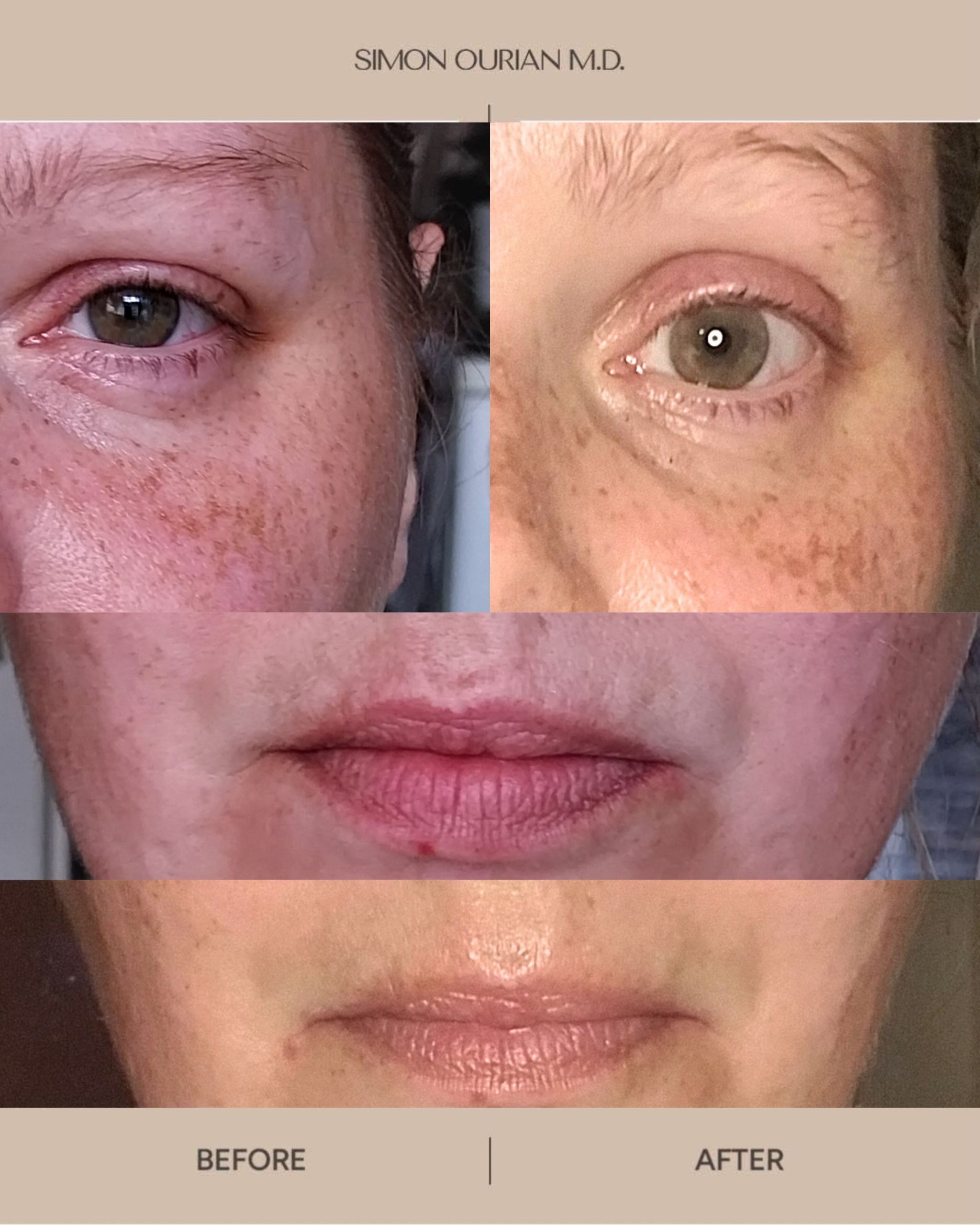
Hyperpigmentation is a skin condition characterized by patches of darker skin than the surrounding areas. It occurs when excess melanin, a pigment that gives skin its color, accumulates in certain areas. While it can be a cosmetic concern, it’s important to note that hyperpigmentation is generally harmless and doesn’t pose any health risks.
Types of Hyperpigmentation
There are several types of hyperpigmentation, each with its own unique causes and characteristics:
- Melasma: This type of hyperpigmentation is characterized by brown or gray patches on the face, often appearing as a mask or butterfly shape. It is more common in women, especially during pregnancy or while taking certain medications.
- Post-inflammatory hyperpigmentation (PIH): This occurs after a skin injury, such as acne, a burn, or an infection. The skin’s response to the injury can lead to increased melanin production.
- Age spots (solar lentigines): These are flat, brown spots that develop on sun-exposed areas of the skin, typically in older individuals. They are caused by sun damage.
- Freckles: These are small, flat, brown spots that are often present from birth or develop during childhood. They are also caused by sun damage.
Causes of Hyperpigmentation
The exact causes of hyperpigmentation can vary, but several factors contribute to its development:
- Sun exposure: Excessive sun exposure is a common cause of hyperpigmentation, as UV rays can stimulate melanin production.
- Hormonal changes: Hormonal fluctuations, such as those that occur during pregnancy or menopause, can trigger hyperpigmentation.
- Skin injury: Acne, burns, or other skin injuries can lead to post-inflammatory hyperpigmentation.
- Medications: Certain medications, including birth control pills, antibiotics, and anti-seizure drugs, can cause hyperpigmentation as a side effect.
- Genetic factors: Some people may be genetically predisposed to hyperpigmentation.
Treatment Options for Hyperpigmentation
While hyperpigmentation can be challenging to treat, several options are available to help improve the appearance of dark patches:
- Topical treatments: Over-the-counter or prescription creams and lotions containing hydroquinone, kojic acid, or azelaic acid can help lighten the affected areas.
- Chemical peels: Chemical peels can exfoliate the skin and help to reduce hyperpigmentation.
- Laser therapy: Laser treatments can target and break down excess melanin, leading to lighter skin.
- Microdermabrasion: This non-invasive procedure can help to exfoliate the skin and reduce the appearance of dark patches.
Prevention Tips
Preventing hyperpigmentation is often easier than treating it. Here are some tips to help protect your skin:
- Sun protection: Always wear sunscreen with a broad-spectrum SPF of 30 or higher when going outdoors. Reapply every two hours, especially after swimming or sweating.
- Limit sun exposure: Avoid prolonged sun exposure, especially during peak hours. Seek shade whenever possible.
- Gentle skin care: Use gentle skincare products that are formulated for sensitive skin. Avoid harsh scrubs or exfoliants that can irritate the skin.
- Address underlying conditions: If you have a skin condition that can contribute to hyperpigmentation, such as acne or eczema, seek treatment to manage it.
While hyperpigmentation can be a frustrating condition, with the right treatment and prevention strategies, it can be effectively managed. Consult with a dermatologist to discuss the best treatment options for your specific needs.
-
Dry and Sensitive Skin: A Delicate Balance
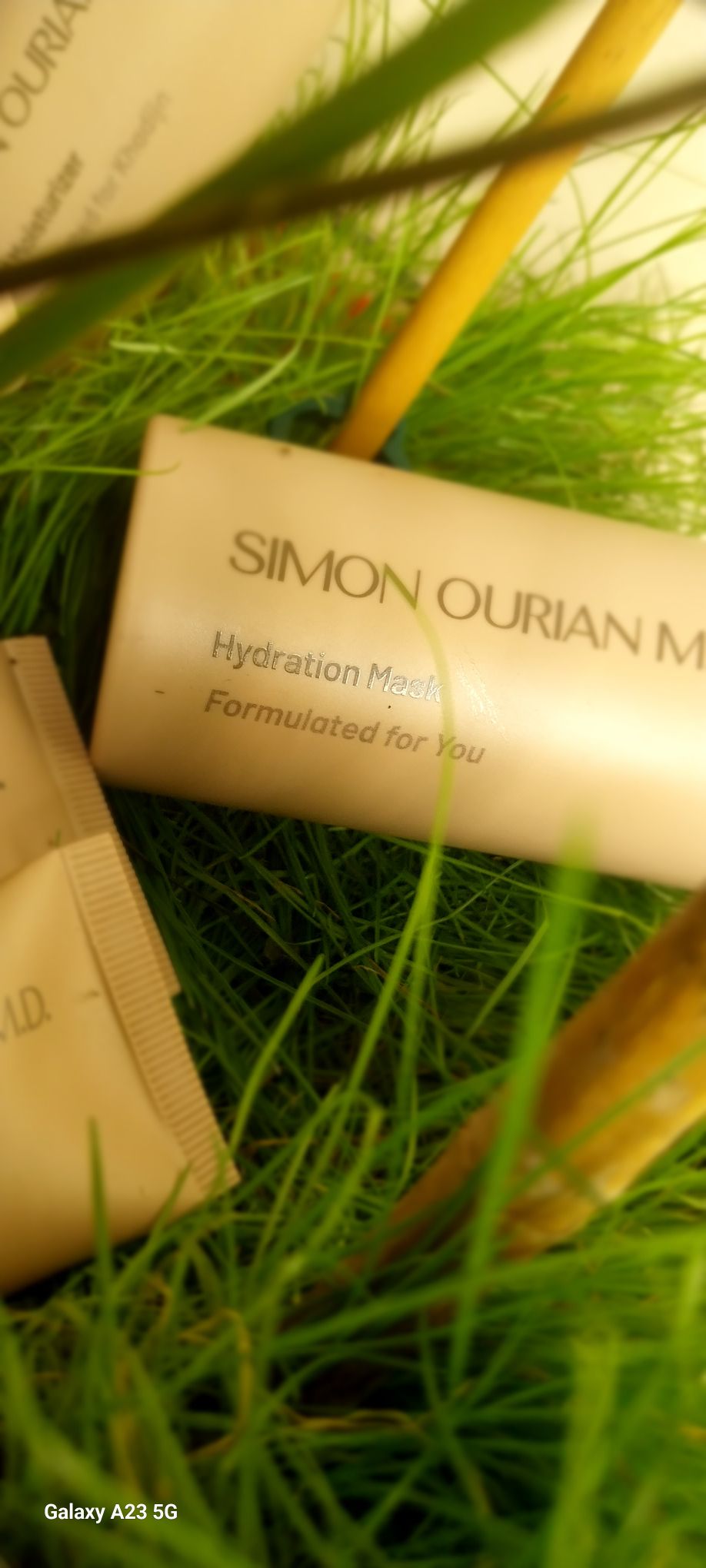
Dry and sensitive skin can be a frustrating and uncomfortable condition. Characterized by a lack of moisture and increased susceptibility to irritation, this skin type requires special care to maintain a healthy and comfortable complexion.
Understanding Dry Skin
Dry skin occurs when the skin’s outermost layer, the epidermis, doesn’t retain enough moisture. This can be caused by a variety of factors, including:
- Genetics: Some people are naturally predisposed to dry skin.
- Environmental factors: Cold, dry weather, excessive sun exposure, and frequent handwashing can strip the skin of its natural oils.
- Aging: As we age, our skin’s natural ability to retain moisture decreases.
- Certain medical conditions: Some skin conditions, such as eczema and psoriasis, can cause dry skin.
Recognizing Sensitive Skin
Sensitive skin is characterized by its increased reactivity to external irritants and allergens. Signs of sensitive skin may include:
- Redness: The skin may become flushed or red after exposure to certain products or environmental factors.
- Itching: Sensitive skin often feels itchy, especially when dry.
- Burning: Some individuals with sensitive skin may experience a burning sensation.
- Flaking: Dry, flaky skin is a common symptom of sensitive skin.
Managing Dry and Sensitive Skin
Caring for dry and sensitive skin requires a gentle and hydrating approach. Here are some tips:
- Gentle cleansing: Use a mild, fragrance-free cleanser that is specifically formulated for sensitive skin. Avoid harsh soaps or scrubs that can strip the skin of its natural oils.
- Moisturize regularly: Apply a rich, hydrating moisturizer several times a day, especially after cleansing. Look for moisturizers that contain ingredients like hyaluronic acid, ceramides, and shea butter.
- Avoid hot water: Hot water can further dry out the skin. Opt for lukewarm or cool water when showering or bathing.
- Limit exposure to irritants: Minimize your exposure to harsh chemicals, fragrances, and other potential irritants. Read product labels carefully and choose products that are labeled as hypoallergenic or suitable for sensitive skin.
- Protect from the sun: Sun exposure can exacerbate dry and sensitive skin. Wear sunscreen with a broad-spectrum SPF of 30 or higher, even on cloudy days.
- Avoid harsh exfoliation: While exfoliation can help to remove dead skin cells, it can also be irritating for sensitive skin. Choose gentle exfoliants and use them sparingly.
- Consider a humidifier: Using a humidifier can help to add moisture to the air, especially during dry seasons.
Products for Dry and Sensitive Skin
When selecting skincare products for dry and sensitive skin, look for ingredients that are known to be soothing and hydrating. Some examples include:
- Hyaluronic acid: This naturally occurring substance helps to draw moisture into the skin.
- Ceramides: These lipids help to repair the skin’s barrier and prevent moisture loss.
- Shea butter: This natural moisturizer is rich in fatty acids that help to hydrate and nourish the skin.
- Oatmeal: Oatmeal has anti-inflammatory properties that can help to soothe irritated skin.
- Aloe vera: Aloe vera is a natural moisturizer and has cooling and soothing properties.
When to See a Dermatologist
If your dry and sensitive skin is causing significant discomfort or doesn’t improve with over-the-counter treatments, it’s important to consult a dermatologist. They can help to diagnose any underlying skin conditions and recommend appropriate treatment options.
By following these tips and seeking professional advice when needed, you can effectively manage dry and sensitive skin and enjoy a healthier, more comfortable complexion.
-
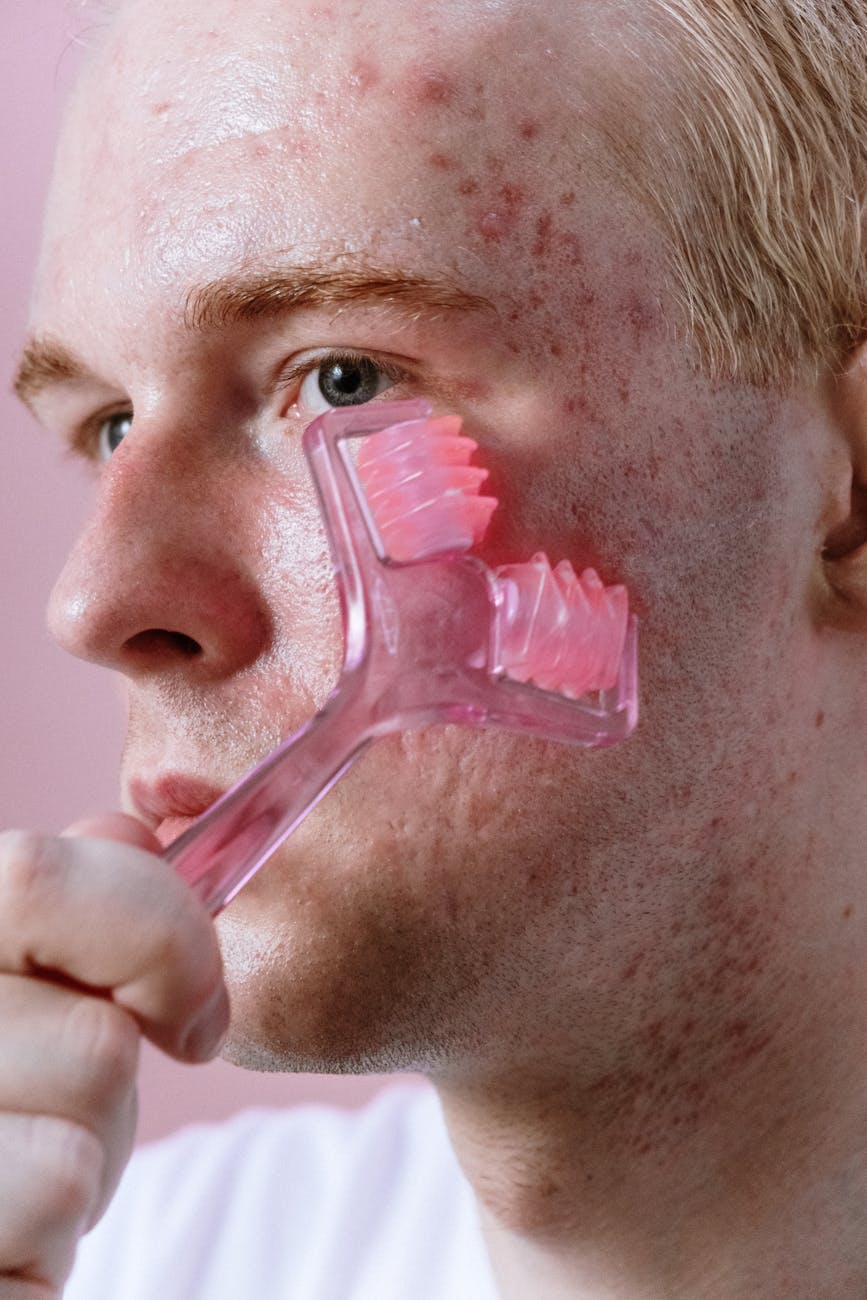
Acne and Oily Skin: A Common Combination
Acne and oily skin often go hand-in-hand. While both are common skin conditions, understanding their relationship can help you manage and improve your skin’s appearance.
Understanding Oily Skin
Oily skin is caused by overactive sebaceous glands, which produce sebum, a natural oil that helps to protect and moisturize the skin. When sebum production is excessive, it can lead to clogged pores, which can in turn contribute to acne breakouts.
Several factors can contribute to oily skin, including:
- Genetics: If your parents had oily skin, you’re more likely to have it as well.
- Hormonal changes: Hormonal fluctuations, such as those that occur during puberty, pregnancy, or menopause, can increase sebum production.
- Certain medications: Some medications, such as corticosteroids and lithium, can cause oily skin as a side effect.
- Diet: While there’s no definitive link between diet and oily skin, some people may find that certain foods, such as dairy and sugary foods, can exacerbate their condition.
- Stress: Stress can trigger the release of hormones that increase sebum production.
The Link Between Oily Skin and Acne
Oily skin creates an ideal environment for acne-causing bacteria to thrive. When sebum combines with dead skin cells, it can clog pores and form comedones (blackheads and whiteheads). These comedones can become inflamed and infected, leading to pimples, pustules, and other acne lesions.
Managing Oily Skin and Acne
While there’s no cure for oily skin or acne, there are many effective ways to manage these conditions. Here are some tips:
- Gentle cleansing: Wash your face twice a day with a mild, non-comedogenic cleanser to remove excess oil and dirt. Avoid harsh soaps or scrubs that can irritate your skin.
- Avoid over-washing: Washing your face too often can strip your skin of its natural oils and lead to dryness and irritation.
- Use oil-free products: Choose makeup, moisturizers, and other skincare products that are labeled as oil-free or non-comedogenic.
- Exfoliate gently: Exfoliating can help to remove dead skin cells and prevent clogged pores. However, be gentle and avoid using abrasive scrubs.
- Avoid touching your face: Touching your face can transfer bacteria and dirt to your skin, which can contribute to acne breakouts.
- See a dermatologist: If your acne is severe or doesn’t improve with over-the-counter treatments, consult a dermatologist. They can prescribe medications or other treatments that can help manage your condition.
Prescription Treatments for Acne and Oily Skin
Dermatologists may prescribe the following treatments for acne and oily skin:
- Topical medications: These creams and ointments can help to reduce inflammation, kill bacteria, and unclog pores.
- Oral medications: For severe acne, oral medications, such as antibiotics or isotretinoin, may be necessary.
- Light therapy: This involves exposing the skin to ultraviolet light, which can help to reduce inflammation and kill bacteria.
Lifestyle Changes for Clearer Skin
In addition to medical treatments, certain lifestyle changes can also help to improve acne and oily skin:
- Manage stress: Stress can exacerbate acne and oily skin. Practice stress-reduction techniques, such as yoga, meditation, or deep breathing.
- Eat a healthy diet: While there’s no definitive link between diet and acne, some people may find that reducing their intake of sugary and processed foods can help improve their skin.
- Get enough sleep: Lack of sleep can disrupt hormone levels and contribute to acne. Aim for 7-9 hours of sleep per night.
- Avoid picking at your skin: Picking at pimples can lead to scarring and make your acne worse.
By understanding the relationship between oily skin and acne and following these tips, you can effectively manage your skin condition and achieve a clearer, healthier complexion.
-
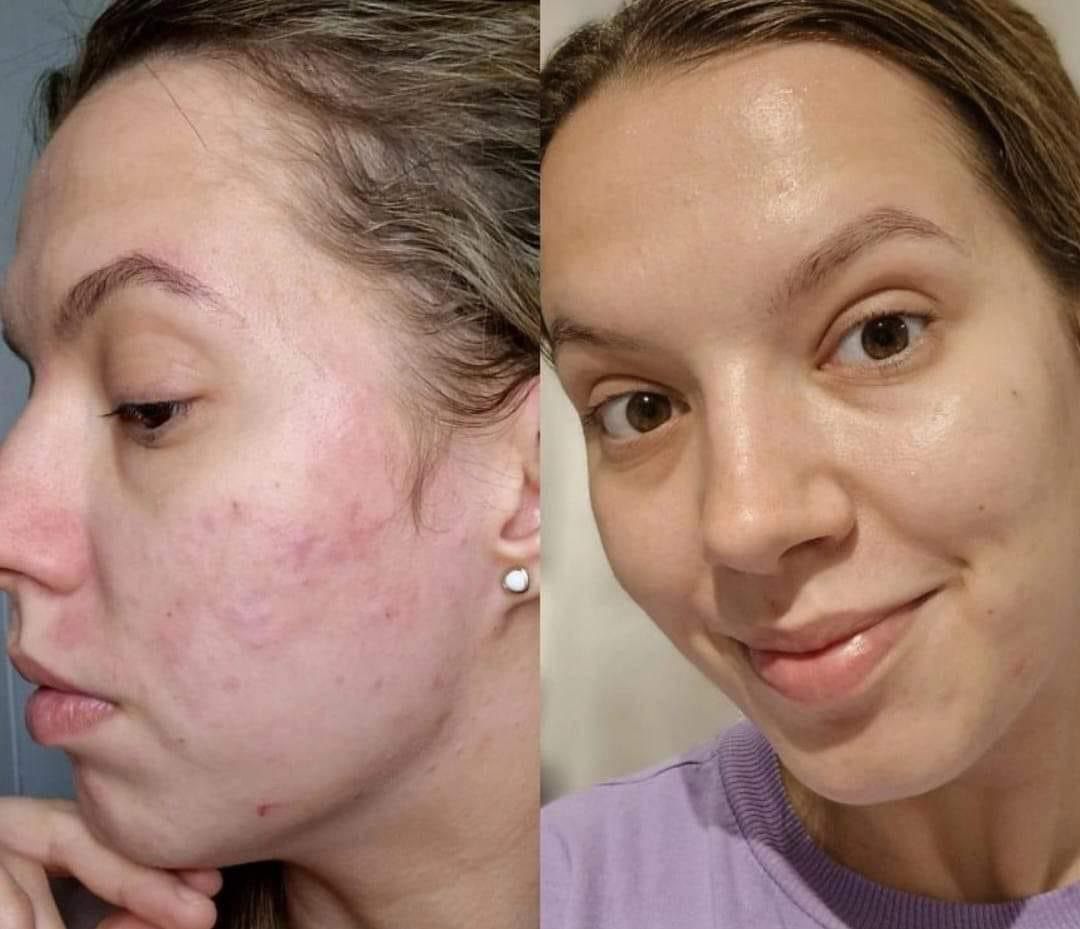
A Deeper Dive into Hyaluronic Acid: The Fountain of Youth in Simon Ourian MD ProductsUnderstanding Hyaluronic Acid
Hyaluronic acid (HA) is a naturally occurring substance found in our bodies, particularly in the skin. It plays a crucial role in maintaining skin hydration, elasticity, and overall youthfulness. As we age, our body’s natural production of HA decreases, leading to visible signs of aging such as wrinkles, dryness, and sagging skin.
The Benefits of Hyaluronic Acid
* Hydration: HA is a potent humectant, meaning it can attract and retain moisture. When applied to the skin, it helps to plump up cells and reduce the appearance of fine lines and wrinkles.
* Elasticity: HA provides structural support to the skin, helping to maintain its elasticity and firmness. This can help to prevent sagging and improve skin tone.
* Antioxidant Protection: Some HA-based products may contain additional antioxidants that can help to protect the skin from environmental damage caused by free radicals.
* Wound Healing: HA has been shown to promote wound healing by creating a moist environment that encourages cell growth and repair.
* Joint Health: While primarily known for its skin benefits, HA also plays a role in joint health. It is a component of synovial fluid, which lubricates and cushions joints.
Simon Ourian MD Products: A Hyaluronic Acid Powerhouse
Dr. Simon Ourian is a renowned cosmetic surgeon and the founder of the renowned Beverly Hills Rejuvenation Clinic. His line of skincare products is designed to deliver professional-grade results at home. Many of these products feature hyaluronic acid as a key ingredient.
Key Simon Ourian MD Products Containing Hyaluronic Acid:
* Hydrating Serum: This lightweight serum is packed with hyaluronic acid to deeply moisturize and plump the skin. It also contains other beneficial ingredients like vitamin C and peptides.
* Anti-Aging Cream: This rich cream provides long-lasting hydration and helps to reduce the appearance of wrinkles and fine lines. It also contains antioxidants to protect the skin from environmental damage.
* Eye Cream: The delicate skin around the eyes can be prone to dryness and wrinkles. This eye cream uses hyaluronic acid to hydrate and smooth the area, reducing the appearance of puffiness and dark circles.
* Lip Balm: This hydrating lip balm contains hyaluronic acid to plump and smooth the lips, preventing dryness and chapping.
How to Use Hyaluronic Acid Products Effectively
To maximize the benefits of hyaluronic acid products, follow these tips:
* Cleanse: Start with a gentle cleanser to remove dirt and impurities from your skin.
* Tone: Apply a toner to balance your skin’s pH and prepare it for the next step.
* Serum: Apply a serum containing hyaluronic acid to your damp skin. This will help to lock in moisture.
* Moisturizer: Follow up with a moisturizer to seal in the hydrating effects of the serum.
* Consistency: For optimal results, use hyaluronic acid products consistently as part of your daily skincare routine.
Conclusion
Hyaluronic acid is a versatile ingredient that offers numerous benefits for skin health. Simon Ourian MD products harness the power of hyaluronic acid to deliver effective anti-aging and hydrating solutions. By incorporating these products into your skincare routine, you can help to improve your skin’s appearance and maintain a youthful glow. -

Simon Ourian: The Skincare Maestro
Simon Ourian isn’t just a name; it’s a promise of flawless skin.From Hollywood red carpets to your bathroom mirror, his influence is undeniable.
This cosmetic dermatology wizard has transformed skincare from a routine into an art form.
His belief? True beauty isn’t about perfection, but about unlocking your skin’s potential.
A Brush with Brilliance simon
Ourian sees your face as a canvas.With a surgeon’s precision and an artist’s eye, he creates skincare masterpieces.
It’s not just about treatments
it’s about a personalized journey to radiant skin.: Skincare Simplified.
His philosophy extends beyond the clinic with MDO, a skincare range that’s as pure as your intentions. Forget complicated routines; MDO is about harnessing nature’s goodness for glowing skin.Think of it as a sip of luxury for your face.
Beyond Beautyclub is a movement.It’s about boosting confidence, not just complexion.
With every treatment, he’s empowering you to embrace your unique shine.
The Future is Bright.
This skincare visionary isn’t resting on his laurels.He’s constantly mixing science with style to give you the best skin of your life. Imagine a world where flawless skin is accessible to all – that’s Ourian’s goal.
A Legacy of Lustre;
DR Simon Ourian’s magic has touched countless lives.He’s not just setting trends; he’s defining them.
In essence, Simon Ourian is more than a dermatologist; he’s a skincare alchemist, transforming complexions and confidence one treatment at a time.!