

Orchid stem cells have emerged as a captivating ingredient in the realm of skincare, promising a myriad of benefits for rejuvenating and revitalizing the skin. Derived from the resilient and exotic orchid flower, these potent cells have garnered significant attention for their potential to combat the signs of aging and enhance overall skin health.
Understanding Orchid Stem Cells
Before delving into the benefits, it’s essential to grasp the concept of orchid stem cells. Stem cells are the body’s master cells, capable of renewing and regenerating tissues. While human stem cells have been extensively studied, plant stem cells, including those from orchids, have also shown remarkable properties.
Orchid stem cells are extracted from the plant’s meristematic tissue, a region known for its exceptional regenerative capacity. These cells possess a unique ability to protect themselves from harsh environmental conditions, such as extreme temperatures and UV radiation. This resilience is believed to translate into potent antioxidant and anti-inflammatory properties when applied to the skin.
The Benefits of Orchid Stem Cells for Skin
* Anti-Aging Powerhouse:
* Collagen and Elastin Boost: Orchid stem cells are renowned for their ability to stimulate the production of collagen and elastin, two essential proteins responsible for skin firmness and elasticity. As we age, collagen and elastin levels decline, leading to wrinkles, sagging, and loss of skin tone. By replenishing these vital components, orchid stem cells can help diminish the appearance of fine lines and wrinkles, promoting a more youthful complexion.
* Free Radical Fighting: The antioxidant properties of orchid stem cells are invaluable in protecting the skin from oxidative stress caused by free radicals. These harmful molecules accelerate aging by damaging cellular DNA. By neutralizing free radicals, orchid stem cells help prevent premature aging and maintain a radiant glow.
* Hydration and Moisture Retention:
* Deep Hydration: Orchid stem cells have excellent humectant properties, meaning they attract and retain moisture within the skin. This helps to combat dryness, flakiness, and dehydration, leaving the skin plump, supple, and hydrated.
* Improved Skin Texture: Adequate hydration is crucial for a smooth and refined skin texture. Orchid stem cells contribute to a more even and luminous complexion by enhancing the skin’s moisture-holding capacity.
* Soothing and Calming:
* Inflammation Reduction: Orchid stem cells possess anti-inflammatory properties that can help soothe irritated and sensitive skin. They can alleviate redness, itching, and discomfort associated with various skin conditions, such as eczema and rosacea.
* Improved Skin Barrier: By reducing inflammation, orchid stem cells contribute to a stronger and healthier skin barrier, enhancing the skin’s ability to retain moisture and protect itself from external aggressors.
* Brightening and Even Skin Tone:
* Dark Spot Reduction: Some studies suggest that orchid stem cells may help to inhibit melanin production, the pigment responsible for dark spots and uneven skin tone. By reducing hyperpigmentation, orchid stem cells can contribute to a brighter and more uniform complexion.
* Radiant Glow: Regular use of skincare products containing orchid stem cells can help improve skin clarity and luminosity, resulting in a healthy and youthful appearance.
* Regeneration and Repair:
* Wound Healing: Orchid stem cells have shown potential in promoting wound healing and tissue regeneration. While more research is needed, this suggests that they may aid in the repair of skin damage caused by acne, sun exposure, or other factors.
* Cellular Renewal: By stimulating cell turnover, orchid stem cells can help to improve skin texture and reduce the appearance of scars.
Incorporating Orchid Stem Cells into Your Skincare Routine
To reap the benefits of orchid stem cells, look for skincare products that prominently feature this ingredient. Serums, moisturizers, and eye creams are common formulations that incorporate orchid stem cells. When selecting products, consider additional ingredients that complement the skin’s needs, such as hyaluronic acid, vitamin C, and peptides.
It’s essential to remember that individual results may vary, and consistency is key when using skincare products. While orchid stem cells offer promising benefits, it’s advisable to patch test new products to check for any allergic reactions.
In conclusion, orchid stem cells have emerged as a valuable addition to the skincare arsenal, offering a range of benefits for enhancing skin health and combating the signs of aging. Their antioxidant, anti-inflammatory, and hydrating properties make them a compelling choice for those seeking to achieve a youthful and radiant complexion.
Categorie: beyond Beauty
-

Orchid Stem Cells: A Blooming Elixir for Youthful Skin
-

A Deep Dive into the Benefits of 20% Vitamin C Topical Application
Understanding Vitamin C
Before delving into the specifics of 20% vitamin C, it’s essential to grasp the role of this antioxidant in skincare. Vitamin C, or ascorbic acid, is a potent water-soluble antioxidant found naturally in many fruits and vegetables. When applied topically, it offers a myriad of benefits for the skin.
The Science Behind Topical Vitamin C
Vitamin C is a powerful antioxidant that helps protect the skin from damage caused by free radicals, unstable molecules that contribute to premature aging. When applied topically, vitamin C works in several ways:
* Collagen Synthesis: It stimulates the production of collagen, the protein responsible for skin’s elasticity and firmness. This can reduce the appearance of fine lines and wrinkles.
* Brightening: Vitamin C inhibits the production of melanin, the pigment responsible for skin color. This can help fade dark spots and uneven skin tone.
* Antioxidant Protection: It neutralizes free radicals, preventing oxidative damage that can lead to premature aging.
* Improved Skin Texture: Regular use can refine skin texture and give it a smoother, more radiant appearance.
The Significance of 20% Vitamin C Concentration
While vitamin C is beneficial at various concentrations, 20% is considered a potent dosage for addressing specific skin concerns. It’s important to note that higher concentrations don’t necessarily equate to better results. In fact, excessively high concentrations can irritate the skin.
A 20% vitamin C serum or cream offers several advantages:
* Tackles Multiple Concerns: It can effectively address a range of skin issues, from fine lines and wrinkles to hyperpigmentation and uneven skin tone.
* Faster Results: Due to its higher concentration, it may deliver visible improvements in a shorter timeframe compared to lower concentrations.
* Suitable for Specific Skin Types: While generally well-tolerated, 20% vitamin C might be particularly beneficial for those with mature or sun-damaged skin.
Benefits of 20% Vitamin C for Skin
* Anti-Aging: By boosting collagen production, 20% vitamin C can help reduce the appearance of fine lines, wrinkles, and sagging skin.
* Brightening: It effectively fades dark spots, sunspots, and hyperpigmentation, promoting a more even skin tone.
* Improved Skin Texture: Regular use can refine pores, smooth rough patches, and enhance skin’s overall texture.
* Protection Against Environmental Damage: As a potent antioxidant, it shields the skin from harmful free radicals caused by pollution, UV rays, and other environmental stressors.
* Fights Inflammation: Vitamin C has anti-inflammatory properties that can help soothe redness and irritation.
How to Use 20% Vitamin C Serum
To maximize the benefits of 20% vitamin C:
* Patch Test: Before applying to your entire face, test the product on a small area of skin to check for any adverse reactions.
* Cleanse and Tone: Ensure your skin is clean and dry before applying the serum.
* Application: Gently massage a few drops of the serum into your skin until fully absorbed.
* Sun Protection: Vitamin C increases skin sensitivity to the sun. Always follow up with a broad-spectrum sunscreen with an SPF of 30 or higher.
* Consistency: For optimal results, use 20% vitamin C serum consistently as part of your skincare routine.
Potential Side Effects
While generally safe, some individuals may experience mild irritation, redness, or dryness when using 20% vitamin C. If these side effects persist, discontinue use and consult a dermatologist.
Choosing the Right 20% Vitamin C Product
With numerous vitamin C products available, selecting the right one can be overwhelming. Consider the following factors:
* Ingredients: Look for products with additional hydrating and antioxidant ingredients like hyaluronic acid, vitamin E, and ferulic acid.
* Formulation: Serums are generally preferred for better absorption.
* Skin Type: Choose a product suitable for your skin type, whether it’s oily, dry, sensitive, or combination.
* Price: High-quality vitamin C serums can be expensive, but it’s essential to invest in a reputable brand.
Conclusion
20% vitamin C is a powerful tool in your skincare arsenal. When used correctly, it can significantly improve the appearance and health of your skin. However, it’s crucial to choose the right product, apply it consistently, and protect your skin from the sun for optimal results. If you have specific skin concerns or experience adverse reactions, consult a dermatologist for personalized adviceFriends and family code =KED1.
Enhancing the Benefits of Vitamin C: Complementary Ingredients and Skincare Routine
Synergistic Ingredients for Optimal Results
To maximize the effectiveness of your 20% vitamin C serum, consider incorporating these complementary ingredients into your skincare routine:
* Hyaluronic Acid: This humectant hydrates the skin, creating a plumping effect that helps reduce the appearance of fine lines. When combined with vitamin C, it enhances the serum’s ability to penetrate the skin and deliver its benefits.
* Vitamin E: Another powerful antioxidant, vitamin E works synergistically with vitamin C to protect the skin from free radical damage. It also helps to soothe and hydrate the skin.
* Ferulic Acid: This antioxidant amplifies the effects of both vitamin C and vitamin E, providing even stronger protection against environmental stressors.
* Niacinamide (Vitamin B3): This versatile ingredient helps to improve skin tone, reduce redness, and strengthen the skin’s barrier function. It complements vitamin C by addressing multiple skin concerns.
Building Your Skincare Routine
Here’s a basic skincare routine incorporating 20% vitamin C:
* Cleansing: Gently cleanse your face with a mild cleanser to remove impurities and makeup.
* Toner: Apply an alcohol-free toner to balance your skin’s pH and prepare it for the next steps.
* Vitamin C Serum: Apply a few drops of your 20% vitamin C serum to your face and neck, gently massaging it into the skin.
* Hyaluronic Acid: Follow with a hyaluronic acid serum to hydrate and plump the skin.
* Moisturizer: Choose a moisturizer suitable for your skin type to lock in hydration.
* Sunscreen: Apply a broad-spectrum sunscreen with an SPF of 30 or higher to protect your skin from UV damage.
Remember, consistency is key. Give your skincare routine at least 4-6 weeks to see noticeable improvements.
Additional Tips
* Timing: For optimal results, apply vitamin C serum in the morning after cleansing.
* Sensitivity: If you have sensitive skin, start by using the vitamin C serum every other day and gradually increase frequency as your skin adjusts.
* Storage: Store your vitamin C serum in a cool, dark place to preserve its potency.
By combining 20% vitamin C with complementary ingredients and following a consistent skincare routine, you can achieve a healthier, more radiant complexion. -

Salicylic Acid: A Deep Dive into Its Benefits
Salicylic acid, a beta-hydroxy acid (BHA), has garnered significant attention in the skincare and dermatological realms for its diverse range of benefits. Derived from willow bark, this ingredient has been used for centuries for its anti-inflammatory and analgesic properties. In modern times, it has found widespread application in various skincare products due to its effectiveness in addressing a multitude of skin concerns.
Understanding Salicylic Acid
Before delving into the benefits, it’s essential to grasp the mechanism of action of salicylic acid. This oil-soluble BHA effectively penetrates the pores, exfoliating dead skin cells and unclogging them. Its anti-inflammatory properties help to soothe irritation and redness, while its antimicrobial action combats acne-causing bacteria.
Benefits of Salicylic Acid
Acne Treatment
One of the most well-known benefits of salicylic acid is its efficacy in treating acne. By exfoliating dead skin cells and preventing pore blockage, it helps to reduce blackheads, whiteheads, and inflammatory acne lesions. Regular use can lead to a significant improvement in skin texture and clarity.
Exfoliation
Salicylic acid’s exfoliating properties are crucial for maintaining healthy skin. It gently removes dead skin cells, revealing a fresher, more radiant complexion. This process also helps to improve skin tone and texture, reducing the appearance of fine lines and wrinkles.
Anti-Inflammatory Effects
Inflammation is a common culprit behind various skin issues, including acne, eczema, and psoriasis. Salicylic acid’s anti-inflammatory properties help to calm irritated skin, reduce redness, and promote healing.
Unclogging Pores
Salicylic acid’s oil-soluble nature allows it to penetrate deep into the pores, effectively dissolving sebum and other impurities. This helps to prevent pore congestion, blackheads, and whiteheads, leading to a clearer and smoother complexion.
Blackhead and Whitehead Reduction
As mentioned earlier, salicylic acid is highly effective in combating blackheads and whiteheads. By unclogging pores and exfoliating dead skin cells, it helps to prevent the formation of these blemishes and promotes their gradual disappearance.
Improvement of Skin Texture
Regular use of salicylic acid can significantly improve skin texture. By removing dead skin cells and stimulating cell turnover, it helps to refine pores, reduce roughness, and create a smoother, more even skin surface.
Potential Benefits for Other Skin Conditions
While primarily known for its acne-fighting properties, salicylic acid may also offer benefits for other skin conditions. Some studies suggest that it may help to improve the symptoms of psoriasis and eczema by reducing inflammation and exfoliating excess skin cells. However, more research is needed to confirm these effects.
How to Use Salicylic Acid
Salicylic acid is available in various forms, including cleansers, toners, exfoliants, and moisturizers. The appropriate concentration and formulation will depend on your skin type and specific concerns. It’s generally recommended to start with a lower concentration and gradually increase it as your skin tolerates it.
For acne-prone skin, incorporating a salicylic acid-based cleanser or exfoliant into your skincare routine can help to keep pores clear and prevent breakouts. For those with dry or sensitive skin, a lower concentration of salicylic acid in a moisturizer can provide gentle exfoliation and hydration.
Precautions
While salicylic acid is generally safe for most people, it can cause irritation in some individuals. It’s essential to patch test any new product before applying it to a larger area of skin. If you experience excessive dryness, redness, or peeling, discontinue use and consult a dermatologist.
Sun sensitivity is another potential side effect of salicylic acid use. It’s crucial to apply sunscreen diligently when using products containing this ingredient, as it can increase your skin’s susceptibility to sunburn.
Conclusion
Salicylic acid is a versatile ingredient with numerous benefits for skin health. Its ability to exfoliate, unclog pores, and reduce inflammation makes it an effective treatment for acne and other skin concerns. By understanding its mechanism of action and incorporating it into your skincare routine appropriately, you can achieve a clearer, smoother, and more radiant complexion. -
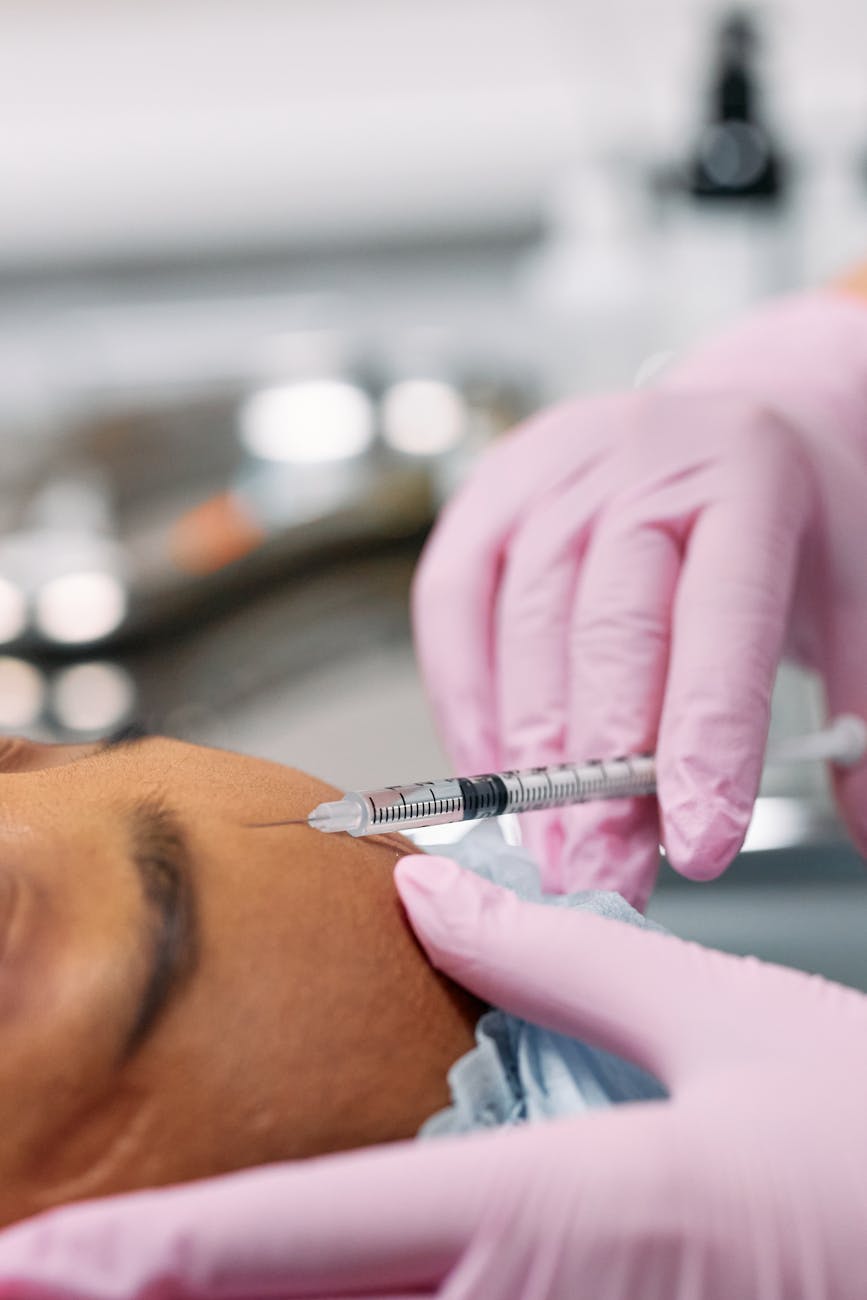
: The Power of Botox
What is Botox?
Botox is a neuromodulator that is used to temporarily reduce the appearance of wrinkles. It is injected into the muscles that cause wrinkles, relaxing them and smoothing out the skin.
How Does Botox Work?
Botox blocks the release of a neurotransmitter called acetylcholine, which causes muscles to contract. This prevents the muscles from contracting, resulting in a smoother, more youthful-looking appearance.
Benefits of Botox
Reduced wrinkles: Botox is highly effective at reducing the appearance of fine lines and wrinkles, especially in the forehead, around the eyes, and around the mouth.
Non-surgical: Botox is a non-surgical procedure that requires no downtime.
Quick results: The results of Botox are typically visible within a few days of the procedure.
Long-lasting results: The effects of Botox can last for several months.
What to Expect from Botox
The Botox procedure is typically performed in a doctor’s office or medical spa. The provider will inject small amounts of Botox into the areas to be treated. The procedure is relatively painless, although some people may experience mild discomfort.
After the procedure, there may be some redness or swelling at the injection sites. These side effects should subside within a few days. It is important to avoid rubbing or massaging the treated areas for a few hours after the procedure.
Conclusion
Botox is a popular cosmetic procedure that can help to reduce the appearance of wrinkles. If you are considering Botox, it is important to consult with a qualified medical professional to discuss your options and determine if it is right for you. -
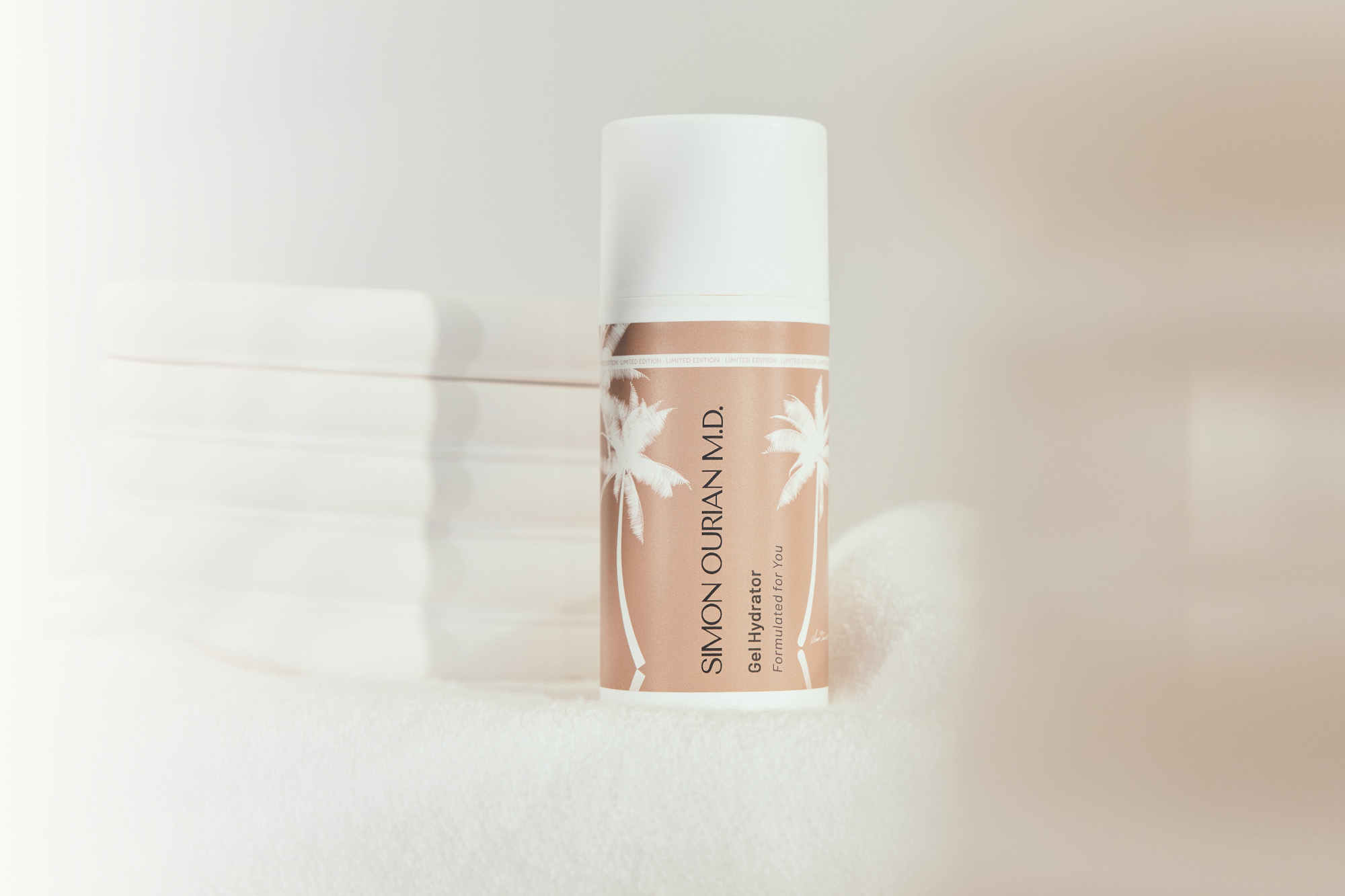
My favourite products L.A. Limited Edition: Rebalancing Toner – Elevate Your Skincare Routine
Are you tired of skin that feels lackluster, unbalanced, or simply not its best? The L.A. Limited Edition Rebalancing Toner is here to rescue your complexion. This innovative product is formulated with a powerful blend of ingredients designed to revitalize, nourish, and protect your skin.
Why Choose Our Rebalancing Toner?
* Deep Cleansing: Say goodbye to makeup residues, dirt, and excess oil. Our toner gently removes impurities without stripping your skin of its natural oils.
* Enhanced Skin Barrier: Niacinamide, a key ingredient, helps strengthen your skin’s protective barrier, shielding it from environmental stressors and promoting a healthier, more resilient complexion.
* Calming and Soothing: Panthenol, a provitamin B5, provides hydration, soothes irritation, and helps reduce redness, leaving your skin feeling refreshed and comforted.
* Balanced pH: Our toner is formulated to match your skin’s natural pH, ensuring optimal balance and preventing dryness or irritation.
Key Ingredients:
* Niacinamide: A versatile ingredient that helps improve skin tone, texture, and reduces the appearance of pores. It also helps regulate oil production, making it ideal for those with acne-prone skin.
* Panthenol: A humectant that draws moisture into the skin, leaving it hydrated and supple. It also has anti-inflammatory properties, making it beneficial for those with sensitive or irritated skin.
How to Use:
* Morning and Night: Apply a few drops of toner to a cotton pad.
* Gentle Swipes: Gently swipe the pad across your face, neck, and décolleté, avoiding the eye and mouth areas.
* Instant Refreshment: Experience the immediate feeling of clean, refreshed skin.
Benefits of Using Our Rebalancing Toner:
* Improved Skin Clarity: Say goodbye to dull, lifeless skin and hello to a radiant, glowing complexion.
* Reduced Breakouts: Our toner helps regulate oil production, reducing the appearance of blemishes and acne.
* Enhanced Hydration: Hydrated skin looks healthier and plumper. Our toner helps lock in moisture, leaving your skin feeling supple and soft.
* Balanced Skin Tone: Even out your skin tone and reduce the appearance of hyperpigmentation.
* Strengthened Skin Barrier: A healthy skin barrier is essential for protecting your skin from environmental damage and premature aging. Our toner helps to fortify your skin’s natural defenses.
Limited Edition Offer:
Don’t miss out on this exclusive opportunity to experience the L.A. Limited Edition Rebalancing Toner. With its unique blend of ingredients and exceptional benefits, this product is a must-have for anyone seeking a healthier, more balanced complexion.
Order Now and Enjoy:
* Free Shipping on all orders over [100€/£]
* 100% Satisfaction Guarantee
* Limited Time Offer: [KED1] -
Decyl Oleate: A Versatile Ingredient in Skincare and Cosmetics
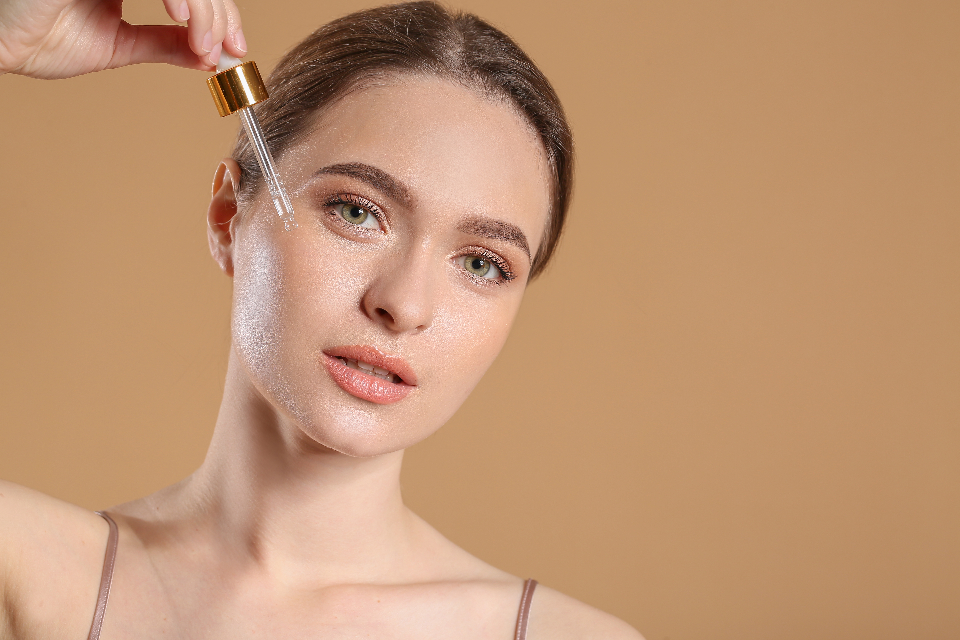
Decyl Oleate: A Versatile Ingredient in Skincare and Cosmetics mini dive
Decyl oleate is a synthetic ester derived from oleic acid and decyl alcohol. It’s a popular ingredient in a wide range of skincare and cosmetic products due to its excellent emollient properties and mild nature.
Key Properties and Benefits
- Emollient: Decyl oleate is a potent emollient, meaning it helps to soften and moisturize the skin. It forms a protective barrier on the skin, preventing moisture loss and helping to keep the skin hydrated.
- Spreadability: Decyl oleate has excellent spreadability, allowing it to be easily applied and absorbed into the skin.
- Non-Comedogenic: It is generally considered non-comedogenic, meaning it is unlikely to clog pores and cause acne breakouts.
- Mildness: Decyl oleate is a mild and gentle ingredient, making it suitable for even the most sensitive skin types.
- Stability: It is stable over a wide range of temperatures and pH levels, ensuring its effectiveness in various skincare products.
Uses in Skincare and Cosmetics
- Moisturizers: Decyl oleate is a common ingredient in moisturizers, both for the face and body. It helps to hydrate the skin, improve its elasticity, and reduce the appearance of fine lines and wrinkles.
- Sunscreens: Decyl oleate can be used as a base for sunscreens, helping to improve their spreadability and feel on the skin. It can also help to enhance the sun protection factor (SPF) of sunscreens.
- Makeup: Decyl oleate is often used in makeup products, such as foundations, concealers, and lipsticks, to improve their texture, spreadability, and moisture retention.
- Hair Care: Decyl oleate can be added to hair care products, such as conditioners and hair masks, to help moisturize and soften the hair.
- Baby Care: It is a common ingredient in baby care products, such as lotions and creams, due to its mildness and moisturizing properties.
Safety and Environmental Considerations
- Safety: Decyl oleate is generally considered safe for topical use. However, as with any skincare product, it is always advisable to patch test it on a small area of skin before applying it to a larger area.
- Environmental Impact: Decyl oleate is considered biodegradable, meaning it can break down naturally in the environment. However, it is important to dispose of any unused product responsibly to minimize its environmental impact.
Conclusion
Decyl oleate is a versatile and effective ingredient in skincare and cosmetic products. Its emollient properties, spreadability, and mildness make it a popular choice for those seeking to improve the health and appearance of their skin. If you are looking for a hydrating and nourishing ingredient for your skincare routine, decyl oleate may be a great option.
Additional Information:
- Chemical Structure: Decyl oleate is a synthetic ester formed from decyl alcohol and oleic acid.
- CAS Number: 112-36-5
- Synonyms: Ethyldecyl oleate, isodecyl oleate
Disclaimer:
I am not a medical professional or expert in the field of beauty. The information provided here is for general knowledge and informational purposes only. It is not intended as a substitute for professional medical advice, diagnosis, or treatment. Always consult with a qualified healthcare provider for any health concerns or before making any decisions related to your health or treatment.
-

Niacinamide: A Skincare Superstar
Niacinamide, a form of vitamin B3, has emerged as a skincare powerhouse, garnering praise for its versatility and effectiveness. This ingredient offers a plethora of benefits for various skin types, making it a coveted addition to many skincare routines. Let’s delve into the reasons why niacinamide has become a staple in the beauty world.
Understanding Niacinamide
Before exploring its benefits, it’s essential to understand what niacinamide does. It’s a water-soluble vitamin that works harmoniously with your skin’s natural substances to improve its overall health and appearance. Niacinamide helps:
* Build keratin: This protein is crucial for maintaining skin’s strength and structure.
* Strengthen the skin barrier: This protective layer shields your skin from environmental aggressors.
* Reduce inflammation: Niacinamide helps calm redness and irritation.
Key Benefits of Niacinamide
* Improves Skin Tone and Texture: Niacinamide is a potent brightening agent that helps fade dark spots, hyperpigmentation, and uneven skin tone. By inhibiting melanin production, it promotes a more luminous and radiant complexion. Additionally, it refines pores and improves skin texture, leaving it smoother and softer.
* Controls Acne and Oil Production: Niacinamide is a valuable ally in the fight against acne. It helps regulate sebum production, preventing clogged pores and breakouts. Furthermore, its anti-inflammatory properties soothe acne-prone skin, reducing redness and inflammation.
* Minimizes Pore Appearance: Enlarged pores can be a concern for many. Niacinamide helps tighten and minimize the appearance of pores, giving your skin a more refined look.
* Hydrates and Protects: Niacinamide plays a crucial role in maintaining skin hydration. It helps strengthen the skin’s barrier, preventing moisture loss and locking in hydration. This is particularly beneficial for dry and dehydrated skin.
* Anti-Aging Benefits: Niacinamide is a potent anti-aging ingredient. It stimulates collagen production, reducing the appearance of fine lines and wrinkles. It also improves skin elasticity, promoting a more youthful and plump complexion.
* Reduces Redness and Inflammation: Niacinamide’s anti-inflammatory properties make it ideal for those with sensitive skin or conditions like rosacea. It calms redness and irritation, providing relief and promoting a more even skin tone.
* Protects Against Environmental Damage: Our skin is constantly exposed to environmental stressors like pollution and UV rays. Niacinamide helps shield the skin from these harmful factors, preventing premature aging and damage.
How to Incorporate Niacinamide into Your Skincare Routine
Niacinamide is generally well-tolerated by most skin types. It’s typically found in serums, moisturizers, and other skincare products. To incorporate it into your routine:
* Cleanse: Start with a gentle cleanser to remove impurities.
* Tone: Apply a toner to balance your skin’s pH.
* Serum: Apply a niacinamide serum to target specific concerns.
* Moisturize: Seal in hydration with a moisturizer containing niacinamide.
* Sunscreen: Protect your skin from the sun with a broad-spectrum SPF.
Remember to patch test any new product before applying it to your entire face.
Conclusion
Niacinamide is a versatile ingredient that offers a wide range of benefits for the skin. Its ability to address multiple concerns, from acne and hyperpigmentation to aging and sensitivity, makes it a valuable addition to any skincare regimen. By incorporating niacinamide into your routine, you can achieve a healthier, more radiant complexion.
* https://www.beautypro.com/blogs/beauty-blog -
The Benefits of Chemical Peels
What are Chemical Peels?
Chemical peels are cosmetic procedures that use chemical solutions to exfoliate the top layer of skin. This can help to improve the appearance of the skin by reducing the appearance of fine lines and wrinkles, acne scars, and hyperpigmentation.
How Do Chemical Peels Work?
Chemical peels use acids to dissolve the bonds between skin cells, causing the top layer of skin to peel off. This reveals smoother, younger-looking skin. The type of acid used in the peel will determine the depth of the peel.
Benefits of Chemical Peels
Improved skin texture: Chemical peels can help to improve the texture of the skin by reducing the appearance of fine lines and wrinkles.
Reduced acne scars: Chemical peels can help to fade acne scars and improve the overall appearance of the skin.
Even skin tone: Chemical peels can help to even out skin tone by reducing the appearance of hyperpigmentation.
Anti-aging effects: Chemical peels can have anti-aging effects by stimulating collagen production.
What to Expect from Chemical Peels
The chemical peel procedure is typically performed in a doctor’s office or medical spa. The provider will apply the chemical solution to the skin. The skin may feel tingly or burning during the procedure.
After the procedure, the skin may be red and peeling. These side effects should subside within a few days. It is important to avoid sun exposure and harsh skin care products for a few weeks after a chemical peel.
Conclusion
Chemical peels are a popular cosmetic procedure that can help to improve the appearance of the skin. If you are considering a chemical peel, it is important to consult with a qualified medical professional to determine the best type of peel for your needs.