

Understanding Vitamin C
Before delving into the specifics of 20% vitamin C, it’s essential to grasp the role of this antioxidant in skincare. Vitamin C, or ascorbic acid, is a potent water-soluble antioxidant found naturally in many fruits and vegetables. When applied topically, it offers a myriad of benefits for the skin.
The Science Behind Topical Vitamin C
Vitamin C is a powerful antioxidant that helps protect the skin from damage caused by free radicals, unstable molecules that contribute to premature aging. When applied topically, vitamin C works in several ways:
* Collagen Synthesis: It stimulates the production of collagen, the protein responsible for skin’s elasticity and firmness. This can reduce the appearance of fine lines and wrinkles.
* Brightening: Vitamin C inhibits the production of melanin, the pigment responsible for skin color. This can help fade dark spots and uneven skin tone.
* Antioxidant Protection: It neutralizes free radicals, preventing oxidative damage that can lead to premature aging.
* Improved Skin Texture: Regular use can refine skin texture and give it a smoother, more radiant appearance.
The Significance of 20% Vitamin C Concentration
While vitamin C is beneficial at various concentrations, 20% is considered a potent dosage for addressing specific skin concerns. It’s important to note that higher concentrations don’t necessarily equate to better results. In fact, excessively high concentrations can irritate the skin.
A 20% vitamin C serum or cream offers several advantages:
* Tackles Multiple Concerns: It can effectively address a range of skin issues, from fine lines and wrinkles to hyperpigmentation and uneven skin tone.
* Faster Results: Due to its higher concentration, it may deliver visible improvements in a shorter timeframe compared to lower concentrations.
* Suitable for Specific Skin Types: While generally well-tolerated, 20% vitamin C might be particularly beneficial for those with mature or sun-damaged skin.
Benefits of 20% Vitamin C for Skin
* Anti-Aging: By boosting collagen production, 20% vitamin C can help reduce the appearance of fine lines, wrinkles, and sagging skin.
* Brightening: It effectively fades dark spots, sunspots, and hyperpigmentation, promoting a more even skin tone.
* Improved Skin Texture: Regular use can refine pores, smooth rough patches, and enhance skin’s overall texture.
* Protection Against Environmental Damage: As a potent antioxidant, it shields the skin from harmful free radicals caused by pollution, UV rays, and other environmental stressors.
* Fights Inflammation: Vitamin C has anti-inflammatory properties that can help soothe redness and irritation.
How to Use 20% Vitamin C Serum
To maximize the benefits of 20% vitamin C:
* Patch Test: Before applying to your entire face, test the product on a small area of skin to check for any adverse reactions.
* Cleanse and Tone: Ensure your skin is clean and dry before applying the serum.
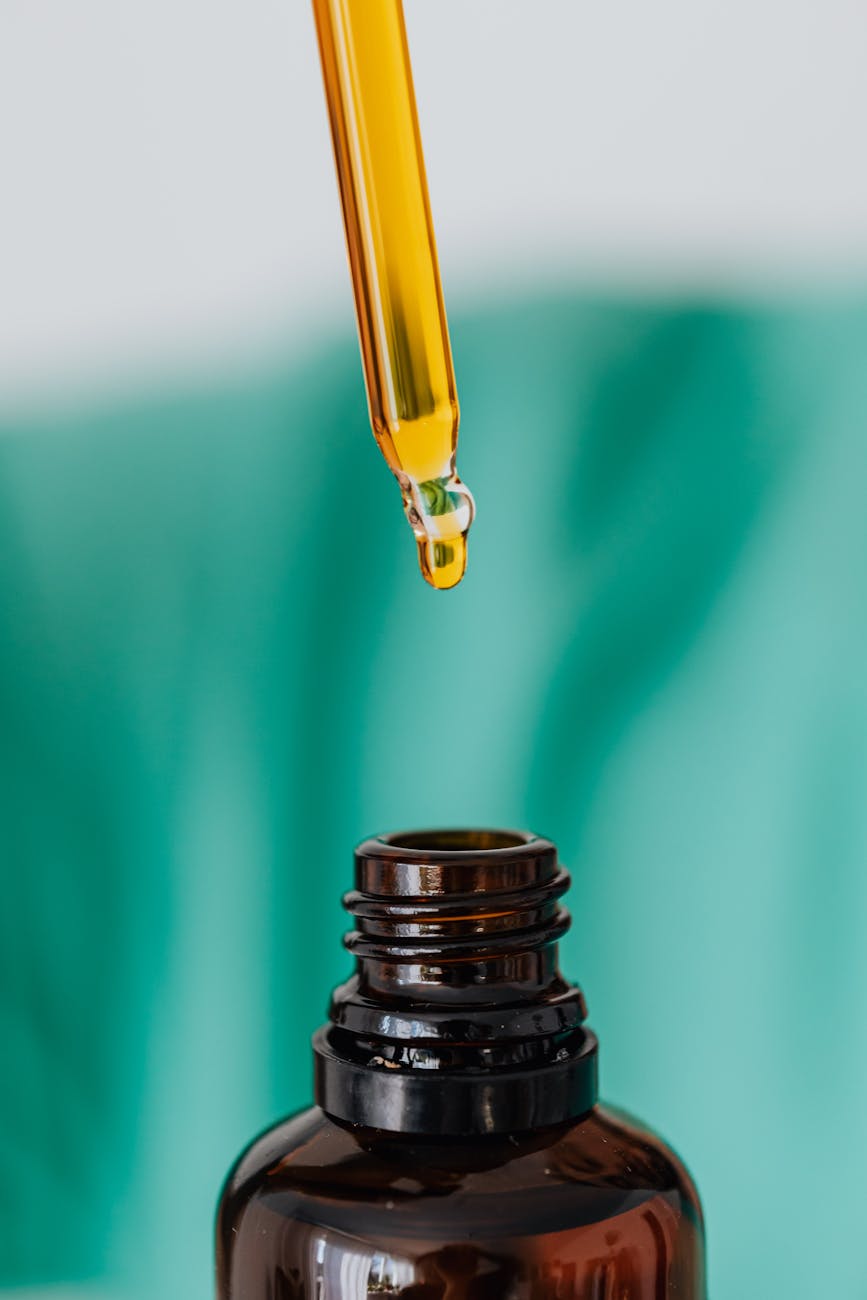
* Application: Gently massage a few drops of the serum into your skin until fully absorbed.
* Sun Protection: Vitamin C increases skin sensitivity to the sun. Always follow up with a broad-spectrum sunscreen with an SPF of 30 or higher.
* Consistency: For optimal results, use 20% vitamin C serum consistently as part of your skincare routine.
Potential Side Effects
While generally safe, some individuals may experience mild irritation, redness, or dryness when using 20% vitamin C. If these side effects persist, discontinue use and consult a dermatologist.
Choosing the Right 20% Vitamin C Product
With numerous vitamin C products available, selecting the right one can be overwhelming. Consider the following factors:
* Ingredients: Look for products with additional hydrating and antioxidant ingredients like hyaluronic acid, vitamin E, and ferulic acid.
* Formulation: Serums are generally preferred for better absorption.
* Skin Type: Choose a product suitable for your skin type, whether it’s oily, dry, sensitive, or combination.
* Price: High-quality vitamin C serums can be expensive, but it’s essential to invest in a reputable brand.
Conclusion
20% vitamin C is a powerful tool in your skincare arsenal. When used correctly, it can significantly improve the appearance and health of your skin. However, it’s crucial to choose the right product, apply it consistently, and protect your skin from the sun for optimal results. If you have specific skin concerns or experience adverse reactions, consult a dermatologist for personalized advice
Friends and family code =KED1.
Enhancing the Benefits of Vitamin C: Complementary Ingredients and Skincare Routine
Synergistic Ingredients for Optimal Results
To maximize the effectiveness of your 20% vitamin C serum, consider incorporating these complementary ingredients into your skincare routine:
* Hyaluronic Acid: This humectant hydrates the skin, creating a plumping effect that helps reduce the appearance of fine lines. When combined with vitamin C, it enhances the serum’s ability to penetrate the skin and deliver its benefits.
* Vitamin E: Another powerful antioxidant, vitamin E works synergistically with vitamin C to protect the skin from free radical damage. It also helps to soothe and hydrate the skin.
* Ferulic Acid: This antioxidant amplifies the effects of both vitamin C and vitamin E, providing even stronger protection against environmental stressors.
* Niacinamide (Vitamin B3): This versatile ingredient helps to improve skin tone, reduce redness, and strengthen the skin’s barrier function. It complements vitamin C by addressing multiple skin concerns.
Building Your Skincare Routine
Here’s a basic skincare routine incorporating 20% vitamin C:
* Cleansing: Gently cleanse your face with a mild cleanser to remove impurities and makeup.
* Toner: Apply an alcohol-free toner to balance your skin’s pH and prepare it for the next steps.
* Vitamin C Serum: Apply a few drops of your 20% vitamin C serum to your face and neck, gently massaging it into the skin.
* Hyaluronic Acid: Follow with a hyaluronic acid serum to hydrate and plump the skin.
* Moisturizer: Choose a moisturizer suitable for your skin type to lock in hydration.
* Sunscreen: Apply a broad-spectrum sunscreen with an SPF of 30 or higher to protect your skin from UV damage.
Remember, consistency is key. Give your skincare routine at least 4-6 weeks to see noticeable improvements.
Additional Tips
* Timing: For optimal results, apply vitamin C serum in the morning after cleansing.
* Sensitivity: If you have sensitive skin, start by using the vitamin C serum every other day and gradually increase frequency as your skin adjusts.
* Storage: Store your vitamin C serum in a cool, dark place to preserve its potency.
By combining 20% vitamin C with complementary ingredients and following a consistent skincare routine, you can achieve a healthier, more radiant complexion.