The Author

Literary mysteries and deep forests.

Explore Work

Skin Expert

Partner of Dr. Simon Ourian MD.

Start Analysis

Khadija Louise

Bridging the gap between the art of storytelling and the science of skincare. Based in the Netherlands, collaborating with Beverly Hills.

Het mysterie van het fluisterbos book cover by Khadija Louise

Skincare Intelligence

Powered by AI and Dr. Simon Ourian’s expertise.

01

AI Skin Scan

02

Custom Protocol

03

Code: KHADIJALOUISE

Get My Routine

Het mysterie van het fluisterbos

A journey into the heart of the forest, where secrets are buried deep.

Order Copy
img src="Dr. Simon Ourian skincare analysis portrait" alt= src="https://via.placeholder.com/300x450" style="box-shadow: 20px 20px 0px var(--accent);"

Categorie: bbc filter free

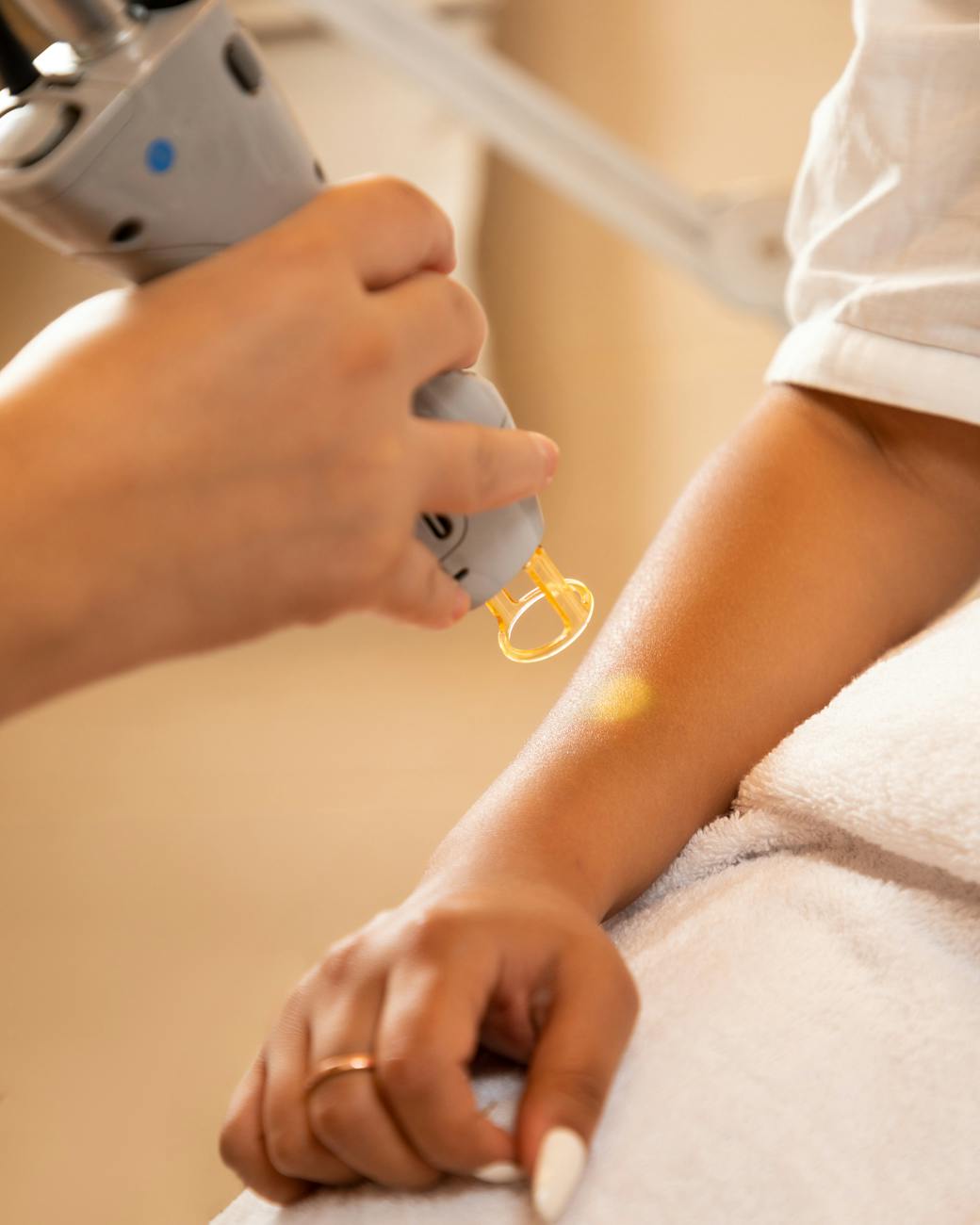
  • Laser Hair Removal: A Guide to Painless Hair Reduction

    Laser Hair Removal: A Guide to Painless Hair Reduction


    What is Laser Hair Removal?

    Laser hair removal is a popular cosmetic procedure that uses concentrated beams of light to destroy hair follicles. This prevents hair from growing back, resulting in smoother, hair-free skin.

    How Does Laser Hair Removal Work?

    The laser targets the melanin in the hair follicle. The heat from the laser destroys the follicle, preventing hair from growing back. Multiple treatments are typically required to achieve optimal results.

    Benefits of Laser Hair Removal

    Permanent hair reduction: Laser hair removal can provide permanent hair reduction, although some people may experience regrowth over time.
    Smooth, hair-free skin: Laser hair removal can give you the confidence to wear sleeveless tops, swimsuits, and other revealing clothing.
    Save time and money: No more shaving, waxing, or plucking! Laser hair removal can save you time and money in the long run.
    Safe and effective: Laser hair removal is a safe and effective procedure when performed by a qualified professional.
    What to Expect from Laser Hair Removal

    The laser hair removal procedure is typically performed in a doctor’s office or medical spa. The area to be treated is first shaved. The provider then applies a cooling gel to the skin before using the laser. The procedure may feel like a rubber band snapping against the skin.

    After the procedure, the skin may be red and slightly swollen. These side effects should subside within a few days. It is important to avoid sun exposure for a few weeks after laser hair removal.

    Conclusion

    Laser hair removal is a popular cosmetic procedure that can provide permanent hair reduction. If you are considering this treatment, it is important to consult with a qualified medical professional to discuss your options and determine if it is right for you.

    Disclaimer:

    I am not a medical professional or expert in the field of [specific field]. The information provided here is for general knowledge and informational purposes only. It is not intended as a substitute for professional medical advice, diagnosis, or treatment. Always consult with a qualified healthcare provider for any health concerns or before making any decisions related to your health or treatment.  

  • Everyone’s Skin Is Different

    Everyone’s Skin Is Different

      The Importance of Customization
    While there are general guidelines for skincare, it’s important to remember that everyone’s skin is unique. What works for one person may not work for another. Here’s why customization is crucial:
    1. Skin Type
    As we discussed in Blog 2, skin types vary widely. Different skin types require different ingredients and products.
    2. Skin Concerns
    Everyone has unique skin concerns, such as acne, wrinkles, hyperpigmentation, or dryness. Your skincare routine should address your specific needs.
    3. Lifestyle
    Your lifestyle factors, such as diet, exercise, stress levels, and environment, can impact your skin. Your skincare routine should be tailored to your lifestyle.
    4. Allergies and Sensitivities
    Some people have allergies or sensitivities to certain ingredients. It’s essential to choose products that are free of irritating substances.
    5. Skin Changes
    Your skin can change over time due to hormonal fluctuations, aging, and environmental factors. Your skincare routine may need to be adjusted accordingly.
    To create a customized skincare routine, consider the following:
    * Consult a dermatologist: A dermatologist can assess your skin and recommend products that are right for you.
    * Patch test new products: Before using a new product, test it on a small area of skin to check for any reactions.
    * Listen to your skin: Pay attention to how your skin reacts to different products. If something isn’t working, try something else.
    * Be patient: It may take time to find the perfect skincare routine. Don’t get discouraged if you don’t see results immediately.
    By customizing your skincare routine, you can achieve healthier, more radiant skin. Remember, your skin is unique, so treat it with care.

    Disclaimer:

    I am not a medical professional or expert in the field of [specific field]. The information provided here is for general knowledge and informational purposes only. It is not intended as a substitute for professional medical advice, diagnosis, or treatment. Always consult with a qualified healthcare provider for any health concerns or before making any decisions related to your health or treatment.  

  • spilling the tea on my journey with simon ourian md Products

    • From sun burn to sun kissed
    Check out our results gallery @khadijalouisebeyondbeautyclub 

    Okay, so let’s spill the tea on this little gem called Beyond Beauty Club.                             

    You know how I’m always on the hunt for the next big thing in skincare, right?                

    Well, this is it, my loves. I’m talking about a level of glow that even I envy.                    

    Now, before we dive into the deets, let’s talk about the mastermind behind this magic, Dr. Simon Ourian.                   

    This guy is like the skincare whisperer to Hollywood’s elite. If you’ve ever wondered how celebs maintain that otherworldly radiance, look no further.Beyond Beauty Club isn’t just another skincare line. It’s a lifestyle. It’s about feeling confident in your own skin, and let’s be real, who doesn’t want that? This isn’t about covering up imperfections; it’s about enhancing your natural beauty.                                          

    So, what sets Beyond Beauty Club apart?                                

    Well, it’s the science, honey. Dr. Ourian has combined his years of expertise with cutting-edge technology to create products that actually work.                                             

    No more empty promises or gimmicks.                                   

    I’ve been using the Beyond Beauty Club line for a few weeks now, and I’m obsessed. My skin is smoother, brighter, and just dewier.                        And let’s talk about that plumping effect – it’s like I’ve discovered the fountain of youth.                                           

    But it’s not just about the results.                                         

    It’s about the whole experience.                                The packaging is chic, the products are luxurious, and it just feels good to pamper yourself with something so high-end.                                        

    If you’re looking to elevate your skincare game, Beyond Beauty Club is a must-try. Trust me, your skin (and your selfie game) will thank you.           Remember, ladies, skincare is self-care.                                      

    It’s about investing in yourself and feeling your absolute best. Beyond Beauty Club is more than just a product line; it’s a commitment to looking and feeling amazing.                         

    So go ahead, treat yourself 😍

    Your future glow will thank you.                                             

    Try Today, Shop Now                             

    Would you like me to continue to learn more, send me a message?

    We are looking for beauty specialists, salon owners aesthetic specialists beauty lovers to be affiliated with the cosmetic dermatologist of Hollywood’s elite and the product range that the a listers tested first

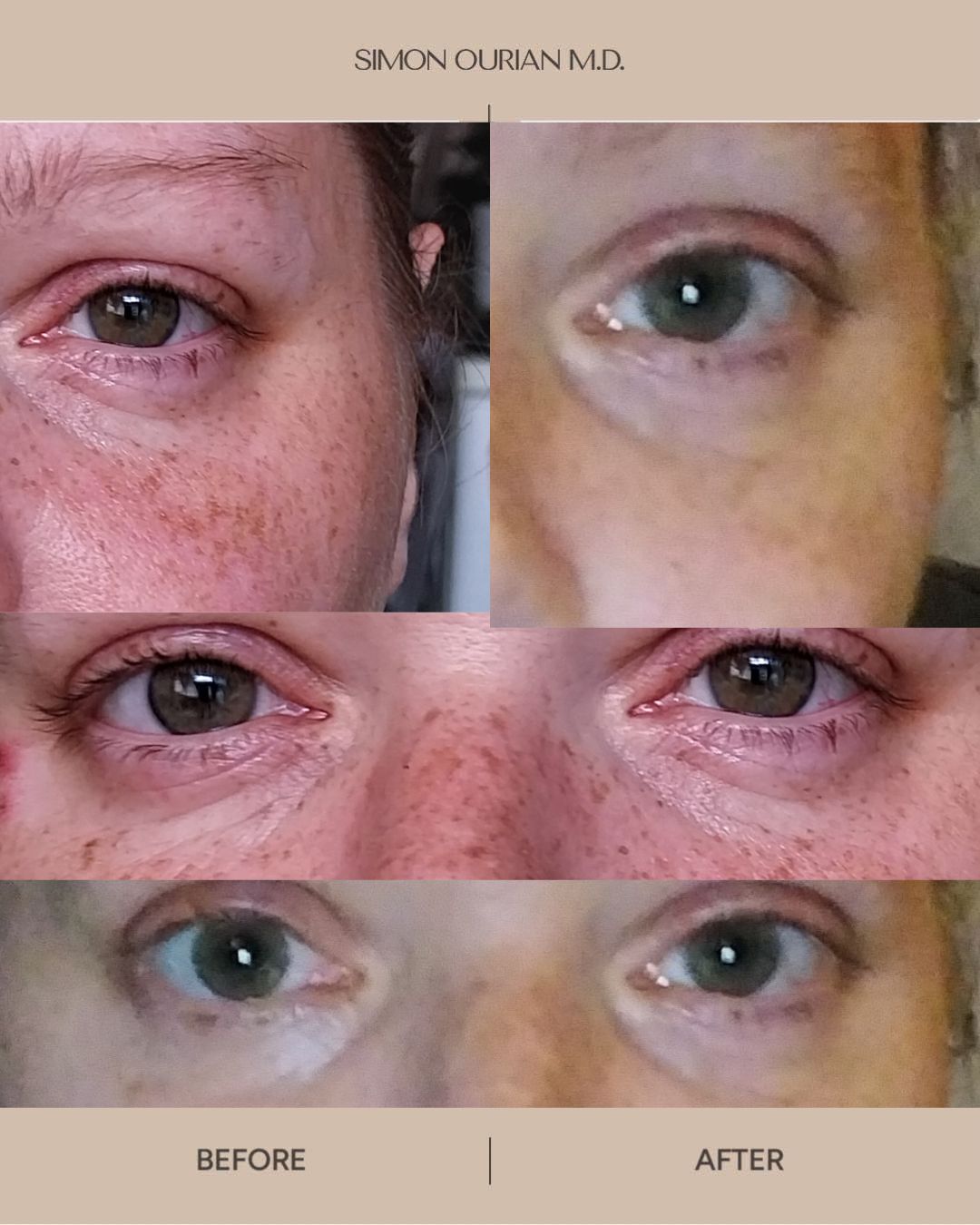
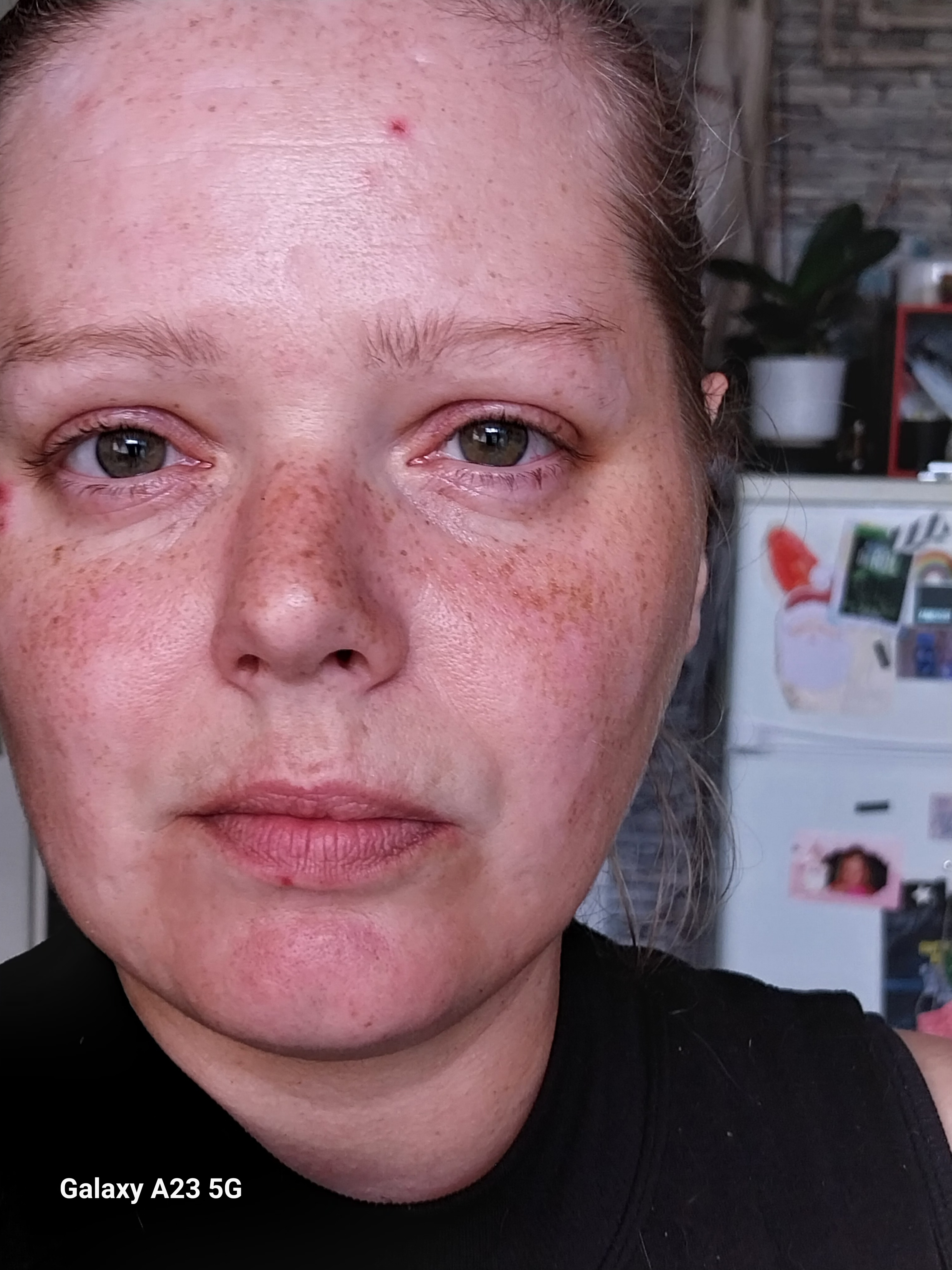
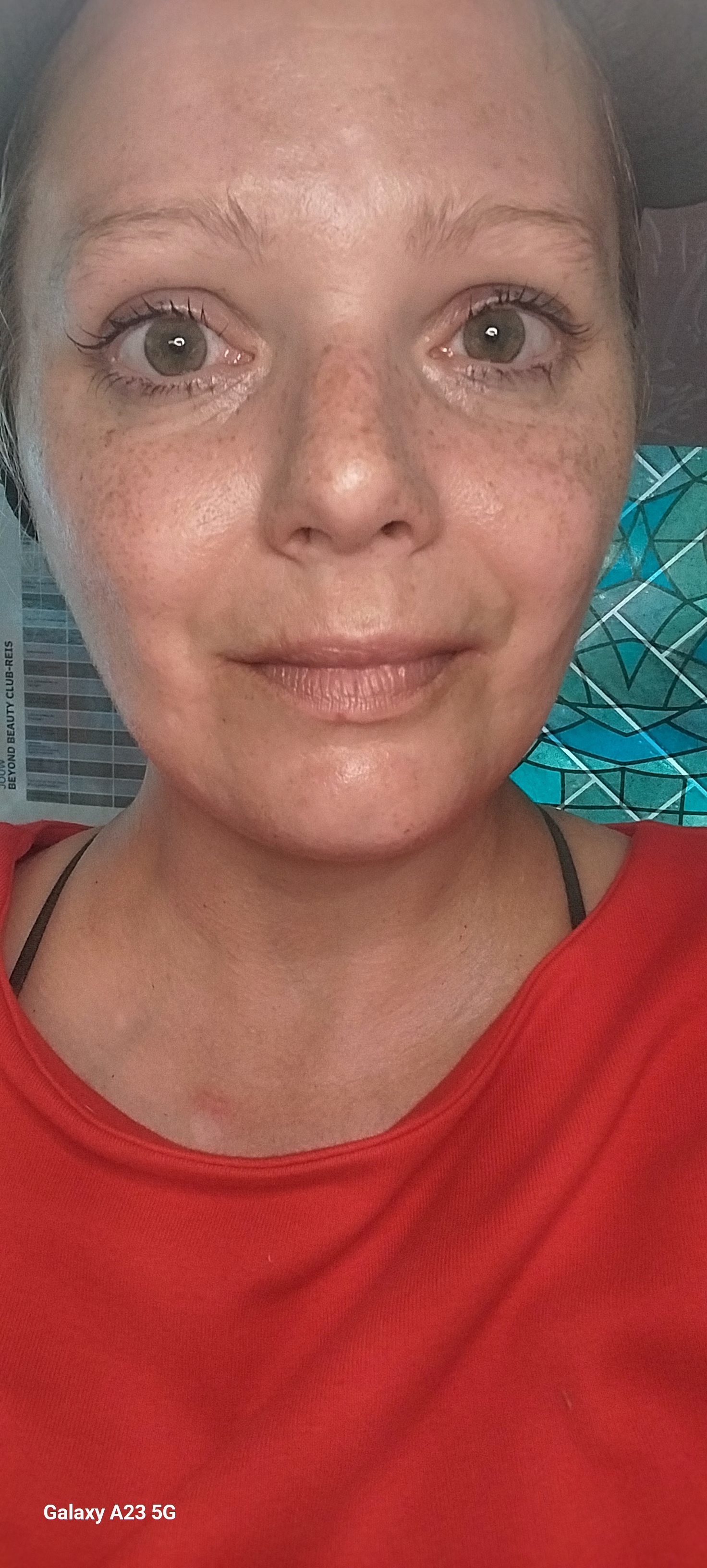
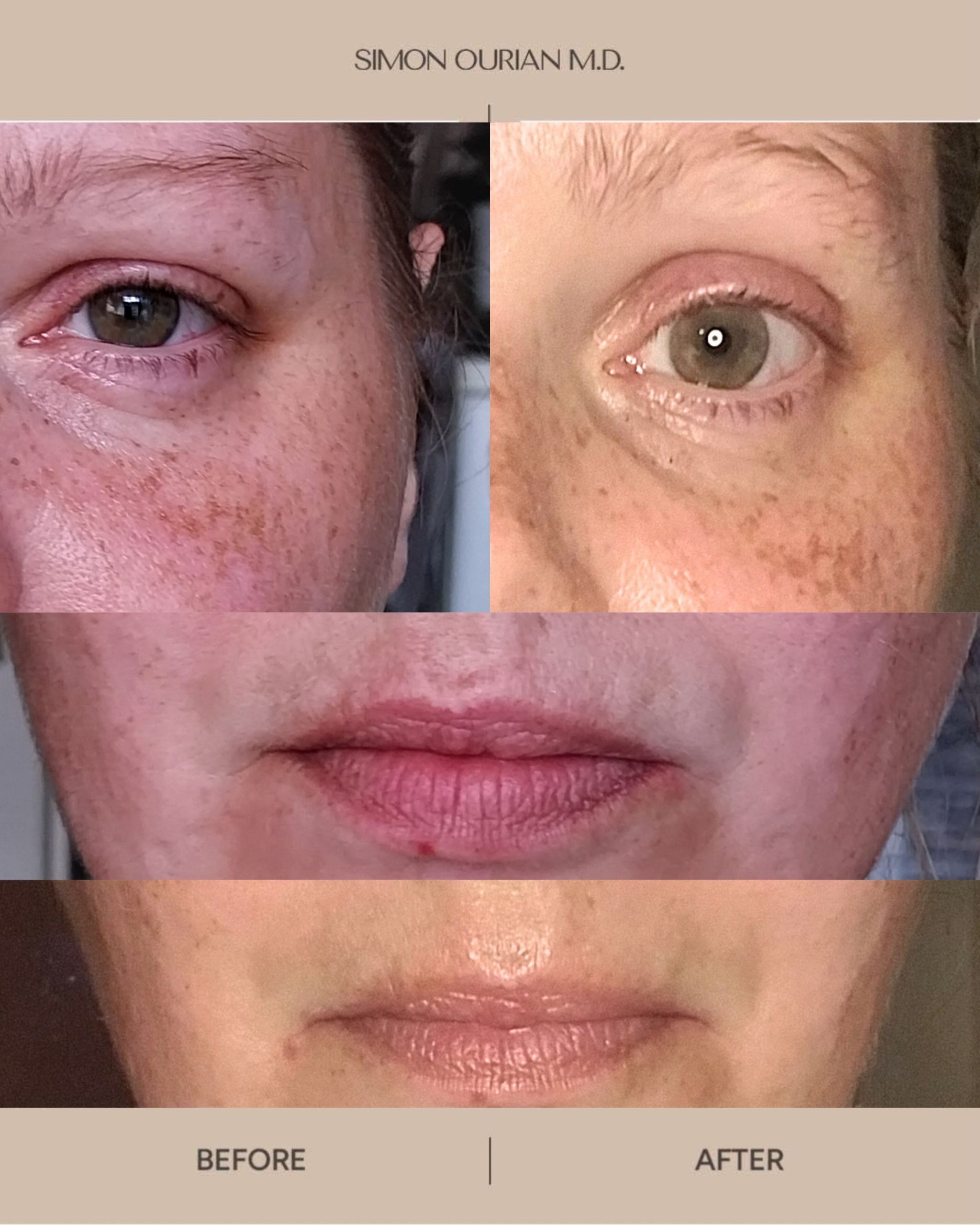
    My results


    My eye results

    I started using SOMD  in may 2023, it’s now August 2024

    My Secret

    Okay, so let’s spill the tea on this little bit of luxury called SOMD.

    Well I am talking about a level of glow that even I envy
    That I and many others have achieved so far.

    A year ago my face was damaged from the sun, dehydrated and sensitive. It has gotten stronger and tighter and I wear no makeup up only a bit of skin tint and waterproof mascara bit of lip blush and sometimes I put a little eyebrow back with eyebrow powder.

    How you may ask?

    Well, I am here let’s talk about the mastermind behind this magic, Dr Simon Ourian.

    This guy is like the skincare whisperer to Hollywood’s elite.

    Have you ever wondered how celebs maintain that radiance and glow,, look no further.

    Somd isn’t just another skincare line.

    It’s a lifestyle.
    It’s about feeling confident in your skin, and let’s be real, who doesn’t want that?

    This isn’t about covering up imperfections; it’s about enhancing your natural beauty. providing a loving supportive community of like-minded beauty lovers to beauty specialists. A Club.

    So, what sets Beyond Beauty Club apart?

    Well, it’s the science, who doesn’t love a bit of science.

    Dr. Ourian has combined his years of expertise with cutting-edge technology to create products that work.

    No more empty promises or gimmicks.

    I’ve been using the SOMD line and also an independent member for about a year now, and I’m obsessed.

    My skin is smoother, brighter, and just less red.

    And about that plumping effect – it’s like I’ve discovered the fountain of youth.

    But it’s not just about the results.

    It’s about the whole experience. The products, the club,
    the packaging is so nice, the products are luxurious, and it just feels good to pamper yourself with something so high-end.

    If you’re looking to elevate your skincare game, the Simon Ourian M.D range is a customised routine specifically for you and is a must-try.

    And you don’t have to wait a year for a consultation

    By using my friends and family code you will receive not only a huge discount but also free goodies.

    Trust me, your skin (and your selfie game) will thank you.

    Remember, ladies, skincare is self-care.

    It’s not only about investing in yourself and feeling your best self.

    SOMD is more than just a product line; it’s a commitment to looking and feeling amazing.

    So go ahead, treat yourself.

    Your future glow will thank you.

    I know mine does.

    Https://simonourianmd.com?redeemCode=KED1]

  • Glycerin: The Unsung Hero of Skincare

    Glycerin: The Unsung Hero of Skincare


    Glycerin, a clear, odorless, and viscous liquid, often plays a supporting role in skincare products. But don’t let its humble appearance fool you. This simple compound is a powerhouse ingredient that offers a multitude of benefits for your skin.
    What is Glycerin?
    Glycerin, also known as glycerol, is a trihydric alcohol derived from vegetable oils. It’s a humectant, meaning it draws moisture from the air and binds it to the skin. This hydrating property makes glycerin an essential component in many skincare formulations.
    Benefits of Glycerin for Your Skin
    * Hydration: As a humectant, glycerin helps to replenish and retain moisture in the skin. This is particularly beneficial for those with dry or dehydrated skin.
    * Softness and Suppleness: By keeping the skin hydrated, glycerin promotes a soft, supple texture. It can help to reduce the appearance of fine lines and wrinkles.
    * Barrier Function: Glycerin can help strengthen the skin’s natural barrier, protecting it from environmental stressors and preventing moisture loss.
    * Soothing and Calming: Glycerin can soothe irritated skin and reduce redness. It’s often used in products for sensitive skin.
    * Enhanced Absorption: Glycerin can help other ingredients penetrate the skin more effectively, making it a valuable component in skincare formulations.
    Glycerin in Skincare Products
    Glycerin can be found in a wide range of skincare products, including:
    * Moisturizers: Glycerin is a common ingredient in both face and body moisturizers. It helps to hydrate the skin and prevent dryness.
    * Serums: Serums often contain a high concentration of glycerin to deliver intense hydration and other active ingredients to the skin.
    * Cleansers: Some cleansers incorporate glycerin to help maintain moisture balance while removing impurities.
    * Masks: Glycerin is often included in hydrating and soothing face masks.
    * Hair Care Products: Glycerin can also be added to hair conditioners and styling products to help moisturize the scalp and reduce frizz.
    How to Use Glycerin
    While glycerin is typically used in skincare products, you can also use it directly on your skin. Simply dilute glycerin with water and apply it to your face and neck. However, it’s important to patch test glycerin before using it directly on your skin, as it can be irritating for some people.
    Tips for Using Glycerin
    * Choose the Right Products: Look for skincare products that contain glycerin as one of the main ingredients.
    * Consider Your Skin Type: Glycerin is generally suitable for all skin types, but those with extremely dry or sensitive skin may benefit from products with a higher concentration of glycerin.
    * Combine with Other Ingredients: Glycerin can be combined with other hydrating ingredients, such as hyaluronic acid or aloe vera, for even more effective moisture retention.
    * Patch Test: If you’re using glycerin directly on your skin, it’s important to patch test it first to check for any allergic reactions.
    Glycerin: A Versatile Ingredient
    Glycerin is a versatile ingredient that offers numerous benefits for your skin. Its ability to hydrate, soothe, and protect the skin makes it a valuable addition to any skincare routine. By incorporating glycerin-containing products into your daily regimen, you can help to achieve a healthy, glowing complexion.
    Fun Facts About Glycerin
    * Glycerin is a natural byproduct of soap-making.
    * Glycerin has been used as a sweetener and preservative for centuries.
    * Glycerin is also used in a variety of industrial applications, including antifreeze, hydraulic fluids, and explosives.
    * Glycerin can help to soften the skin on your hands and feet.
    * Glycerin can be used as a natural hair conditioner.
    Conclusion
    Glycerin is an unsung hero of skincare, offering a multitude of benefits for your skin. From hydration and soothing to barrier protection and enhanced absorption, glycerin is a versatile ingredient that can help you achieve a healthy, glowing complexion. So next time you’re looking for a skincare product, be sure to check the ingredient list for this valuable compound.

  • Sunburn and Skin Damage: Prevention and Treatment

    Sunburn and Skin Damage: Prevention and Treatment

    Sunburn is a common skin condition caused by excessive exposure to ultraviolet (UV) radiation from the sun. While it can be painful and uncomfortable in the short term, sunburn can also have long-term consequences, including premature aging and skin cancer.

    Understanding Sunburn

    Sunburn occurs when the skin’s cells are damaged by UV rays. The severity of a sunburn can vary from mild redness and tenderness to blistering and peeling. In severe cases, sunburn can lead to dehydration and heatstroke.

    The Dangers of Sunburn

    • Premature aging: Chronic sun exposure can accelerate the aging process, leading to wrinkles, fine lines, and age spots.
    • Skin cancer: Sun damage is a major risk factor for skin cancer, including basal cell carcinoma, squamous cell carcinoma, and melanoma.
    • Immune system suppression: Sunburn can temporarily suppress the immune system, making you more susceptible to infection.

    Treating Sunburn

    If you get a sunburn, it’s important to take steps to soothe the skin and promote healing. Here are some tips:

    • Cool compresses: Apply cool, damp compresses to the affected area to help reduce pain and inflammation.
    • Moisturize: Use a gentle, fragrance-free moisturizer to hydrate the skin and prevent dryness.
    • Over-the-counter pain relievers: Nonsteroidal anti-inflammatory drugs (NSAIDs) like ibuprofen or naproxen can help reduce pain and inflammation.
    • Aloe vera: Topical aloe vera gel can provide relief from sunburn pain and itching.
    • Avoid sun exposure: Stay out of the sun until the sunburn has healed completely.

    Preventing Sunburn

    The best way to protect your skin from sunburn is to avoid excessive sun exposure. Here are some tips for sun protection:

    • Wear sunscreen: Use a broad-spectrum sunscreen with a sun protection factor (SPF) of 30 or higher. Apply it generously to all exposed areas of skin, including your face, neck, ears, and hands. Reapply every two hours, especially after swimming or sweating.  
    • Seek shade: Seek shade during peak sun hours, typically between 10 a.m. and 4 p.m.
    • Wear protective clothing: Cover up with long-sleeved shirts, pants, hats, and sunglasses.
    • Check your skin regularly: Examine your skin regularly for any changes, such as new moles, unusual growths, or changes in existing moles. If you notice any suspicious changes, see a dermatologist.

    Long-Term Skin Damage

    Even if you don’t get sunburned, chronic sun exposure can still cause damage to your skin. This damage can lead to premature aging and skin cancer. It’s important to take steps to protect your skin from the sun throughout your life.

    By following these tips and taking preventive measures, you can help to protect your skin from the harmful effects of the sun and reduce your risk of sunburn and skin damage.

  • Hyperpigmentation: A Closer Look

    Hyperpigmentation: A Closer Look

    Hyperpigmentation is a skin condition characterized by patches of darker skin than the surrounding areas. It occurs when excess melanin, a pigment that gives skin its color, accumulates in certain areas. While it can be a cosmetic concern, it’s important to note that hyperpigmentation is generally harmless and doesn’t pose any health risks.

    Types of Hyperpigmentation

    There are several types of hyperpigmentation, each with its own unique causes and characteristics:

    • Melasma: This type of hyperpigmentation is characterized by brown or gray patches on the face, often appearing as a mask or butterfly shape. It is more common in women, especially during pregnancy or while taking certain medications.
    • Post-inflammatory hyperpigmentation (PIH): This occurs after a skin injury, such as acne, a burn, or an infection. The skin’s response to the injury can lead to increased melanin production.
    • Age spots (solar lentigines): These are flat, brown spots that develop on sun-exposed areas of the skin, typically in older individuals. They are caused by sun damage.
    • Freckles: These are small, flat, brown spots that are often present from birth or develop during childhood. They are also caused by sun damage.

    Causes of Hyperpigmentation

    The exact causes of hyperpigmentation can vary, but several factors contribute to its development:

    • Sun exposure: Excessive sun exposure is a common cause of hyperpigmentation, as UV rays can stimulate melanin production.
    • Hormonal changes: Hormonal fluctuations, such as those that occur during pregnancy or menopause, can trigger hyperpigmentation.
    • Skin injury: Acne, burns, or other skin injuries can lead to post-inflammatory hyperpigmentation.
    • Medications: Certain medications, including birth control pills, antibiotics, and anti-seizure drugs, can cause hyperpigmentation as a side effect.
    • Genetic factors: Some people may be genetically predisposed to hyperpigmentation.

    Treatment Options for Hyperpigmentation

    While hyperpigmentation can be challenging to treat, several options are available to help improve the appearance of dark patches:

    • Topical treatments: Over-the-counter or prescription creams and lotions containing hydroquinone, kojic acid, or azelaic acid can help lighten the affected areas.
    • Chemical peels: Chemical peels can exfoliate the skin and help to reduce hyperpigmentation.
    • Laser therapy: Laser treatments can target and break down excess melanin, leading to lighter skin.
    • Microdermabrasion: This non-invasive procedure can help to exfoliate the skin and reduce the appearance of dark patches.

    Prevention Tips

    Preventing hyperpigmentation is often easier than treating it. Here are some tips to help protect your skin:

    • Sun protection: Always wear sunscreen with a broad-spectrum SPF of 30 or higher when going outdoors. Reapply every two hours, especially after swimming or sweating.
    • Limit sun exposure: Avoid prolonged sun exposure, especially during peak hours. Seek shade whenever possible.
    • Gentle skin care: Use gentle skincare products that are formulated for sensitive skin. Avoid harsh scrubs or exfoliants that can irritate the skin.
    • Address underlying conditions: If you have a skin condition that can contribute to hyperpigmentation, such as acne or eczema, seek treatment to manage it.

    While hyperpigmentation can be a frustrating condition, with the right treatment and prevention strategies, it can be effectively managed. Consult with a dermatologist to discuss the best treatment options for your specific needs.

  • Acne and Oily Skin: A Common Combination

    Acne and Oily Skin: A Common Combination

    Acne and oily skin often go hand-in-hand. While both are common skin conditions, understanding their relationship can help you manage and improve your skin’s appearance.

    Understanding Oily Skin

    Oily skin is caused by overactive sebaceous glands, which produce sebum, a natural oil that helps to protect and moisturize the skin. When sebum production is excessive, it can lead to clogged pores, which can in turn contribute to acne breakouts.

    Several factors can contribute to oily skin, including:

    • Genetics: If your parents had oily skin, you’re more likely to have it as well.
    • Hormonal changes: Hormonal fluctuations, such as those that occur during puberty, pregnancy, or menopause, can increase sebum production.
    • Certain medications: Some medications, such as corticosteroids and lithium, can cause oily skin as a side effect.
    • Diet: While there’s no definitive link between diet and oily skin, some people may find that certain foods, such as dairy and sugary foods, can exacerbate their condition.
    • Stress: Stress can trigger the release of hormones that increase sebum production.

    The Link Between Oily Skin and Acne

    Oily skin creates an ideal environment for acne-causing bacteria to thrive. When sebum combines with dead skin cells, it can clog pores and form comedones (blackheads and whiteheads). These comedones can become inflamed and infected, leading to pimples, pustules, and other acne lesions.

    Managing Oily Skin and Acne

    While there’s no cure for oily skin or acne, there are many effective ways to manage these conditions. Here are some tips:

    • Gentle cleansing: Wash your face twice a day with a mild, non-comedogenic cleanser to remove excess oil and dirt. Avoid harsh soaps or scrubs that can irritate your skin.
    • Avoid over-washing: Washing your face too often can strip your skin of its natural oils and lead to dryness and irritation.
    • Use oil-free products: Choose makeup, moisturizers, and other skincare products that are labeled as oil-free or non-comedogenic.
    • Exfoliate gently: Exfoliating can help to remove dead skin cells and prevent clogged pores. However, be gentle and avoid using abrasive scrubs.
    • Avoid touching your face: Touching your face can transfer bacteria and dirt to your skin, which can contribute to acne breakouts.
    • See a dermatologist: If your acne is severe or doesn’t improve with over-the-counter treatments, consult a dermatologist. They can prescribe medications or other treatments that can help manage your condition.

    Prescription Treatments for Acne and Oily Skin

    Dermatologists may prescribe the following treatments for acne and oily skin:

    • Topical medications: These creams and ointments can help to reduce inflammation, kill bacteria, and unclog pores.
    • Oral medications: For severe acne, oral medications, such as antibiotics or isotretinoin, may be necessary.
    • Light therapy: This involves exposing the skin to ultraviolet light, which can help to reduce inflammation and kill bacteria.

    Lifestyle Changes for Clearer Skin

    In addition to medical treatments, certain lifestyle changes can also help to improve acne and oily skin:

    • Manage stress: Stress can exacerbate acne and oily skin. Practice stress-reduction techniques, such as yoga, meditation, or deep breathing.
    • Eat a healthy diet: While there’s no definitive link between diet and acne, some people may find that reducing their intake of sugary and processed foods can help improve their skin.
    • Get enough sleep: Lack of sleep can disrupt hormone levels and contribute to acne. Aim for 7-9 hours of sleep per night.
    • Avoid picking at your skin: Picking at pimples can lead to scarring and make your acne worse.

    By understanding the relationship between oily skin and acne and following these tips, you can effectively manage your skin condition and achieve a clearer, healthier complexion.

  • A Deeper Dive into Hyaluronic Acid: The Fountain of Youth in Simon Ourian MD ProductsUnderstanding Hyaluronic Acid

    A Deeper Dive into Hyaluronic Acid: The Fountain of Youth in Simon Ourian MD ProductsUnderstanding Hyaluronic Acid


    Hyaluronic acid (HA) is a naturally occurring substance found in our bodies, particularly in the skin. It plays a crucial role in maintaining skin hydration, elasticity, and overall youthfulness. As we age, our body’s natural production of HA decreases, leading to visible signs of aging such as wrinkles, dryness, and sagging skin.
    The Benefits of Hyaluronic Acid
    * Hydration: HA is a potent humectant, meaning it can attract and retain moisture. When applied to the skin, it helps to plump up cells and reduce the appearance of fine lines and wrinkles.
    * Elasticity: HA provides structural support to the skin, helping to maintain its elasticity and firmness. This can help to prevent sagging and improve skin tone.
    * Antioxidant Protection: Some HA-based products may contain additional antioxidants that can help to protect the skin from environmental damage caused by free radicals.
    * Wound Healing: HA has been shown to promote wound healing by creating a moist environment that encourages cell growth and repair.
    * Joint Health: While primarily known for its skin benefits, HA also plays a role in joint health. It is a component of synovial fluid, which lubricates and cushions joints.
    Simon Ourian MD Products: A Hyaluronic Acid Powerhouse
    Dr. Simon Ourian is a renowned cosmetic surgeon and the founder of the renowned Beverly Hills Rejuvenation Clinic. His line of skincare products is designed to deliver professional-grade results at home. Many of these products feature hyaluronic acid as a key ingredient.
    Key Simon Ourian MD Products Containing Hyaluronic Acid:
    * Hydrating Serum: This lightweight serum is packed with hyaluronic acid to deeply moisturize and plump the skin. It also contains other beneficial ingredients like vitamin C and peptides.
    * Anti-Aging Cream: This rich cream provides long-lasting hydration and helps to reduce the appearance of wrinkles and fine lines. It also contains antioxidants to protect the skin from environmental damage.
    * Eye Cream: The delicate skin around the eyes can be prone to dryness and wrinkles. This eye cream uses hyaluronic acid to hydrate and smooth the area, reducing the appearance of puffiness and dark circles.
    * Lip Balm: This hydrating lip balm contains hyaluronic acid to plump and smooth the lips, preventing dryness and chapping.
    How to Use Hyaluronic Acid Products Effectively
    To maximize the benefits of hyaluronic acid products, follow these tips:
    * Cleanse: Start with a gentle cleanser to remove dirt and impurities from your skin.
    * Tone: Apply a toner to balance your skin’s pH and prepare it for the next step.
    * Serum: Apply a serum containing hyaluronic acid to your damp skin. This will help to lock in moisture.
    * Moisturizer: Follow up with a moisturizer to seal in the hydrating effects of the serum.
    * Consistency: For optimal results, use hyaluronic acid products consistently as part of your daily skincare routine.
    Conclusion
    Hyaluronic acid is a versatile ingredient that offers numerous benefits for skin health. Simon Ourian MD products harness the power of hyaluronic acid to deliver effective anti-aging and hydrating solutions. By incorporating these products into your skincare routine, you can help to improve your skin’s appearance and maintain a youthful glow.

  • The premise of Beyond Beauty Club: More Than Skin Deep.its health from within.

    The premise of Beyond Beauty Club: More Than Skin Deep.its health from within.

    Disclaimer: This information reflects my personal experiences and research, and is not professional medical or financial advice. I am not a healthcare professional nor a guaranteed success story. Achieving results requires significant time, dedication, and consistent effort. Success is not guaranteed, and your outcomes may vary significantly. If you have health concerns, dietary questions during Ramadan or fasting, or are on chronic medication, consult a qualified healthcare specialist before making any changes. This is not a “get rich quick” or “effortless health” system; hard work is essential.


    Beyond Beauty Club is a multifaceted platform that resonates differently with each individual. While it’s undoubtedly a space for skincare enthusiasts to discover and share exceptional products, its impact extends far beyond beauty.


    At its core, Beyond Beauty Club is a community of women united by a shared desire for personal growth and empowerment. It’s a place where individuals can rediscover their self-worth, break free from limitations, and cultivate a sense of independence. For many, it’s a much-needed escape from mundane routines and a catalyst for unlocking hidden potential.

    The club provides a platform for individuals to share their passion for high-quality skincare. By connecting with others and sharing these products, members can build a community and inspire others to embrace their beauty. This experience offers personal growth and the opportunity to positively impact the lives of others.”


    Beyond financial rewards, members gain access to a supportive network of like-minded individuals. The club fosters a sense of camaraderie and shared goals, creating a space where women can learn from each other, celebrate successes, and offer encouragement.

    It’s a platform for personal development, with opportunities to acquire new skills, build leadership qualities, and step outside of comfort zones.


    The Beyond Beauty Club experience is a personalized journey. Each member defines their involvement based on their aspirations and available time.

    Whether it’s building a thriving business, cultivating a strong support system, or simply enhancing one’s skincare routine, the club offers the tools and resources to achieve desired outcomes.


    Ultimately, Beyond Beauty Club is a transformative experience that goes beyond the surface level of skincare. It’s a catalyst for personal growth, financial independence, and a strong sense of community. It’s a place where women can discover their inner strength, pursue their passions, and create a life they love.

  • Skincare 101: Decode Your Dermis

    Skincare 101: Decode Your Dermis

    Tired of your skin being a drama queen?

    There a few standard types of skin.

    Let’s break  down the some of peoples major skin concerns.


    Dry Skin: This flaky, itchy diva needs a moisture makeover. Think creamy cleansers, hyaluronic acid-packed potions, and occlusive creams to seal in that hydration. It’s like wrapping your skin in a cozy blanket.


    Oily Skin: This shiny, breakout-prone troublemaker needs a mattifying mission. Gel cleansers, salicylic acid, and oil-free moisturizers are your secret weapons. It’s a balancing act between hydration and oil control.

    Combination Skin: The ultimate skincare split personality! Hydrate the dry patches, control the oily zones. Gel-creams, hyaluronic acid, and salicylic acid are your skincare superheroes. It’s like juggling water and oil, but for your face.

    To name but a few.

    Remember: Everyone’s skin is unique, so experiment to find your perfect match. And don’t forget that sunscreen is your skin’s BFF, no matter your skin type!

    Lets dive a little deeper

    Important ingredients for your skin health

    Hyaluronic Acid and Salicylic Acid
    * Hydrated skin: Hyaluronic acid draws moisture into the skin, leaving it plump and supple.
    * Reduced appearance of fine lines and wrinkles: Hydration helps to diminish the visibility of skin creases.
    * Improved skin texture: Regular hydration contributes to a smoother, softer complexion.
    * Clearer pores: Salicylic acid penetrates pores to help remove dirt and oil buildup.
    * Reduced acne breakouts: Salicylic acid helps prevent future breakouts by unclogging pores.
    * Exfoliated skin: Salicylic acid gently removes dead skin cells for a brighter complexion.
    * Balanced oil production: Salicylic acid helps regulate sebum production, preventing oily skin.
    * Improved skin tone: Consistent use can lead to a more even skin tone.

    The holy grail of routines as easy as 1, 2, 3.

    Cleanser
    * Gel-based cleansers: These are generally best for oily skin as they effectively remove oil and dirt without stripping the skin. Look for cleansers containing salicylic acid for added benefit.

    Toner
    * Alcohol-free toners: Opt for hydrating toners with witch hazel or aloe vera to balance the skin and soothe irritation.

    Moisturizer
    * Oil-free or gel moisturizers: Choose lightweight, non-comedogenic options to hydrate without clogging pores. Look for ingredients like hyaluronic acid and niacinamide.
    Serum

    * Salicylic acid serum: This can help to regulate oil production and prevent breakouts.

    * Niacinamide serum: This ingredient helps to control sebum production and improve skin texture.

    * Oil-free sunscreen: Opt for a broad-spectrum sunscreen with an SPF of 30 or higher. Look for lightweight, non-comedogenic formulas.
    Additional Tips

    * Regular Exfoliation: Use a gentle chemical exfoliant with salicylic acid 1-2 times a week to remove dead skin cells.

    * Clay Masks: These can help to absorb excess oil and deep clean pores.

    * Hydration: While it might seem counterintuitive, dehydrated oily skin can produce more oil. Ensure you’re hydrating your skin properly.

    * Cleanse Regularly: Wash your face twice a day to remove dirt and oil buildup.

    * Avoid Comedogenic Products: Check product labels for ingredients that are likely to clog pores.

    If you have Dry Skin: Nourishing Your Skin’s Thirst is as important as watering the inside.


    Dry skin often feels tight, flaky, and itchy. It’s crucial to replenish moisture and strengthen the skin’s protective barrier.


    Benefits of a Daily Skincare Routine for Dry Skin
    * Hydration: Replenishes lost moisture, preventing dryness and flakiness.
    * Nourishment: Provides essential nutrients to support skin health.
    * Protection: Shields skin from environmental aggressors.
    * Improved Texture: Creates a smoother, softer complexion.
    * Reduced Irritation: Soothes and calms sensitive dry skin.


    The Key Ingredients for helping Dry Skin
    * Hyaluronic acid: Attracts and retains moisture.
    * Ceramides: Reinforce the skin’s protective barrier.
    * Glycerin: Draws water into the skin.
    * Shea butter: Deeply moisturizes and nourishes.
    * Oatmeal: Soothes inflammation and itchiness.


    Building a Dry Skin Skincare Routine


    * Gentle Cleansing: Use a creamy or oil-based cleanser to avoid stripping away natural oils.
    * Hydrating Toner: Alcohol-free toners with hyaluronic acid can balance the skin.
    * Essence or Serum: Consider a hydrating or brightening essence or serum with hyaluronic acid or niacinamide.
    * Rich Moisturizer: Lock in moisture with a creamy, emollient moisturizer.
    * Occlusive Cream: For extra dry skin, apply a thick occlusive cream as a final step to seal in hydration.
    * Sunscreen: Protect your skin from harmful UV rays with a moisturizing sunscreen.


    Let’s now focus on oily skin!

    Oily skin benefits from a routine with hyaluronic acid and salicylic acid.
    * Hydration without Greasiness: Hyaluronic acid provides essential moisture without clogging pores or increasing oiliness.
    * Acne Control: Salicylic acid helps to regulate sebum production and clear out pores, reducing acne breakouts.
    * Blackhead Prevention: Regular use can help prevent the formation of blackheads.
    * Improved Skin Texture: Exfoliation from salicylic acid refines pores and creates a smoother complexion.
    * Balanced Skin: The combination of hydrating and clarifying ingredients helps to restore skin’s natural balance.

    Important factors for a regular skincare rountine
    * Hydration: Replenishes lost moisture, preventing dryness and flakiness.
    * Nourishment: Provides essential nutrients to support skin health.
    * Protection: Shields skin from environmental aggressors.
    * Improved Texture: Creates a smoother, softer complexion.
    * Reduced Irritation: Soothes and calms sensitive dry skin.


    Mature Skin: Defying Time


    Mature skin deserves a standing ovation for its resilience. As collagen and elastin take a bow, wrinkles, fine lines, and dryness take center stage. But fear not, the drama can be tamed! Focus on hydration, nourishment, and firming. Look for products packed with hyaluronic acid, peptides, retinol (use with caution), and antioxidants. Gentle exfoliation, a rich moisturizer, and eye cream are your backstage pass to a more youthful glow. Remember, consistency is key, and don’t forget the power of sunscreen to prevent future damage.

    Sensitive Skin: Calming the Storm


    Sensitive skin is like a skittish kitten – easily startled and prone to drama. It’s often red, itchy, and easily irritated. To soothe this delicate skin, focus on gentle, fragrance-free products. Think creamy cleansers, hydrating toners, and lightweight moisturizers. Look for ingredients like aloe vera, chamomile, and hyaluronic acid to calm and hydrate. Avoid harsh scrubs, alcohol-based products, and excessive sun exposure. Remember, less is often more when it comes to sensitive skin.


    Disclaimer: It’s essential to find products that work best for your individual skin. These are general recommendations, and it’s always a good idea to patch test new products before full application.

    Also i am not a beautician or a professional just a skincare enthusiast earning a bit of money working for the best social selling company around

    Our affiliate program is for 18 years and older with a valid id and confidential account

Latest Articles

View all posts →

USE CODE: KHADIJALOUISE