

**Myth 1: You Should Wash Your Face Twice a Day**
While it’s important to cleanse your face to remove dirt, oil, and makeup, washing it twice a day can be too harsh for many skin types. Over-cleansing can strip your skin of its natural oils, leading to dryness and irritation. If you have oily skin, once a day may be sufficient, while those with dry skin can get away with cleansing every other day.
**Myth 2: Expensive Skincare Products Are Always Better**
It’s true that some high-end skincare products contain high-quality ingredients, but that doesn’t necessarily mean they are the best option for your skin. Many affordable brands offer effective products that contain similar ingredients. The key is to choose products that are tailored to your specific skin type and concerns.
**Myth 3: Exfoliating Every Day Is Essential**
Exfoliating can help to remove dead skin cells and improve skin texture, but over-exfoliating can be damaging. Exfoliate your skin once or twice a week, depending on your skin type. If you have sensitive skin, be even more cautious and exfoliate less frequently.
**Myth 4: Natural Ingredients Are Always Better**
While natural ingredients can be beneficial for the skin, not all natural products are safe or effective. Some natural ingredients can be irritating or even harmful. It’s important to do your research and choose products that are formulated by reputable brands.
**Myth 5: You Should Never Touch Your Face**
It’s true that touching your face can transfer bacteria and oil to your skin, but it’s not always avoidable. Try to avoid touching your face unnecessarily, but don’t stress about it too much.
**Conclusion**
There are many skincare myths circulating out there, and it’s important to be aware of them. By debunking these myths, you can make informed choices about your skincare routine and achieve healthier, more radiant skin.
Categorie: affiliate marketing
-
Debunking Skincare Myths: Separating Fact from Fiction
-
Skincare for Sensitive Skin: A Gentle Approach
**Understanding Sensitive Skin**
Sensitive skin can be a challenge, as it is prone to redness, irritation, and dryness. If you have sensitive skin, it’s important to choose gentle products and avoid harsh ingredients.
**Key Characteristics of Sensitive Skin**
* **Redness:** Sensitive skin often appears red or flushed.
* **Dryness:** Dryness can lead to flaking and irritation.
* **Itching:** Sensitive skin can be itchy and uncomfortable.
* **Reactivity:** Sensitive skin may react to certain ingredients or environmental factors.
**Tips for Caring for Sensitive Skin**
* **Patch Test:** Before using a new product, test it on a small area of skin to check for any reactions.
* **Avoid Harsh Ingredients:** Steer clear of products that contain alcohol, fragrances, and artificial colors.
* **Opt for Gentle Cleansers:** Choose a gentle cleanser that is free of harsh surfactants.
* **Moisturize Regularly:** Keep your skin hydrated by applying a gentle moisturizer throughout the day.
* **Protect from the Sun:** Use a broad-spectrum sunscreen with an SPF of 30 or higher to protect your skin from sun damage.
* **Avoid Hot Water:** Hot water can be irritating to sensitive skin. Opt for lukewarm or cool water when washing your face.
* **Minimize Stress:** Stress can exacerbate skin sensitivity. Practice stress-management techniques, such as meditation or yoga.
**Recommended Ingredients for Sensitive Skin**
* **Oatmeal:** Oatmeal has soothing properties that can help to calm irritated skin.
* **Chamomile:** Chamomile is a natural anti-inflammatory that can help to reduce redness and swelling.
* **Aloe Vera:** Aloe vera is a natural moisturizer that can help to soothe and hydrate the skin.
**Conclusion**
Caring for sensitive skin requires a gentle approach. By following these tips and choosing products that are formulated for sensitive skin, you can minimize irritation and achieve a healthy, glowing complexion. -

Content Creation Tips for Socials: A Comprehensive Guide
1. Stay on Top of Trends:
- Follow relevant trends: Keep a pulse on what’s happening in your niche and on social media platforms.
- Use trending hashtags: Incorporate popular hashtags to increase your visibility and reach a wider audience.
- Create timely content: Respond to current events, holidays, or trending topics with relevant and engaging content.
- Stay ahead of the curve: Be first to hop on new trends and capitalize on emerging opportunities.
- Leverage social listening tools: Use tools like Brandwatch or Hootsuite to monitor conversations around your niche and identify emerging trends.
2. Write Engaging Captions:
- Use humour: A witty caption can make your content more memorable and shareable.
- Ask questions: Encourage engagement by asking open-ended questions that spark conversation.
- Tell stories: Share personal anecdotes or create fictional narratives to connect with your audience more deeply.
- Use strong verbs and vivid language: Make your captions more impactful using powerful words that capture attention.
- Keep it concise: Aim for captions that are easy to read and understand. Long, rambling captions can be off-putting.
3. Use Visuals Effectively:
- High-quality images and videos: Invest in good-quality visuals that are visually appealing and relevant to your content.
- Use relevant visuals: Choose images and videos that complement your message and enhance your content’s impact.
- Create eye-catching graphics: Use design tools like Canva or Adobe Photoshop to create custom graphics that stand out from the crowd.
- Consider visual storytelling: Use visuals to tell a story or convey a message without words.
- Experiment with different visual styles: Try different visual styles, such as minimalist, colourful, or playful, to find what resonates best with your audience.
4. Experiment with Different Formats:
- Variety is key: Try different content formats like reels, stories, carousels, or live streams to see what resonates best with your audience.
- Use interactive elements: Incorporate polls, quizzes, or Q&A sessions to encourage audience participation.
- Experiment with new features: Stay updated on the latest social media features and test them out to see if they’re a good fit for your content.
- Don’t be afraid to try something new: Step outside your comfort zone and experiment with different formats to find what works best for you.
- Pay attention to performance: Track the performance of different content formats to see which ones are most effective for your audience.
5. Know Your Audience:
- Understand their interests: Identify what your audience cares about and create content that caters to their preferences.
- Engage with your followers: Respond to comments, messages, and mentions to build relationships with your audience.
- Analyze your performance: Track your analytics to see what content performs best and adjust your strategy accordingly.
- Use audience insights to inform your content strategy: Gather data on your audience’s demographics, interests, and behaviours to create more targeted and relevant content.
- Create buyer personas: Develop detailed profiles of your ideal customers to better understand their needs and preferences.
6. Be Authentic:
- Be yourself: Let your personality shine through in your content.
- Share your passions: Talk about what you love and what you’re passionate about.
- Be genuine: Authenticity is key to building a loyal following.
- Avoid trying to be someone you’re not: Your audience will appreciate your genuine self.
- Be consistent: Maintain a consistent tone and style throughout your content to help your audience recognize your brand.
7. Collaborate with Others:
- Partner with influencers: Collaborate with influencers in your niche to reach a wider audience.
- Cross-promote: Promote each other’s content to expand your reach and introduce your audience to new creators.
- Join communities: Participate in online communities related to your niche to connect with like-minded people.
- Build relationships: Networking with other creators can lead to new opportunities and collaborations.
- Offer value to your collaborators: When collaborating with others, make sure to provide value to them as well.
8. Plan and Schedule Your Content:
- Create a content calendar: Plan out your content in advance to ensure consistency and avoid last-minute scrambling.
- Use scheduling tools: Utilize social media scheduling tools like Hootsuite or Buffer to save time and ensure your content is posted at the optimal times.
- Be consistent: Regularly posting high-quality content will help you build a loyal following and establish yourself as an authority in your niche.
- Consider your audience’s time zone: Schedule your content to be published at times when your audience is most active.
- Leave room for spontaneity: While planning is important, don’t be afraid to deviate from your schedule if something unexpected happens.
9. Stay Updated on Social Media Algorithms:
- Understand how algorithms work: Stay informed about the latest changes to social media algorithms to optimize your content for visibility.
- Adapt your strategy: Adjust your content strategy based on algorithm updates to ensure your posts reach your target audience.
- Focus on engagement: Algorithms often prioritize content that encourages interaction, so aim to create posts that spark conversations and generate engagement.
10. Have Fun:
- Enjoy the process: Creating content should be fun and enjoyable.
- Don’t take yourself too seriously: Have fun with your content and experiment with different styles and approaches.
- Unleash your creativity: Embrace the freedom to express your unique voice with confidence.
- Don’t be afraid to make mistakes: Everyone makes mistakes. Learn from them and keep moving forward.
- Celebrate your successes: Acknowledge your achievements and reward yourself for your hard work.
By following these tips, you can create engaging, witty, and up-to-date content that will help you grow your social media following and achieve your goals. Remember, consistency, authenticity, and a willingness to experiment are key to success in the world of social media. Tale a look at my team member and friend https://www.tiktok.com/@hanane_officialtiktok?_t=8pDJJj0oSRM&_r=1
-
Skincare for Sensitive Skin: A Gentle Approach
**Understanding Sensitive Skin**
Sensitive skin can be a challenge, as it is prone to redness, irritation, and dryness. If you have sensitive skin, it’s important to choose gentle products and avoid harsh ingredients.
**Key Characteristics of Sensitive Skin**
* **Redness:** Sensitive skin often appears red or flushed.
* **Dryness:** Dryness can lead to flaking and irritation.
* **Itching:** Sensitive skin can be itchy and uncomfortable.
* **Reactivity:** Sensitive skin may react to certain ingredients or environmental factors.
**Tips for Caring for Sensitive Skin**
* **Patch Test:** Before using a new product, test it on a small area of skin to check for any reactions.
* **Avoid Harsh Ingredients:** Steer clear of products that contain alcohol, fragrances, and artificial colors.
* **Opt for Gentle Cleansers:** Choose a gentle cleanser that is free of harsh surfactants.
* **Moisturize Regularly:** Keep your skin hydrated by applying a gentle moisturizer throughout the day.
* **Protect from the Sun:** Use a broad-spectrum sunscreen with an SPF of 30 or higher to protect your skin from sun damage.
* **Avoid Hot Water:** Hot water can be irritating to sensitive skin. Opt for lukewarm or cool water when washing your face.
* **Minimize Stress:** Stress can exacerbate skin sensitivity. Practice stress-management techniques, such as meditation or yoga.
**Recommended Ingredients for Sensitive Skin**
* **Oatmeal:** Oatmeal has soothing properties that can help to calm irritated skin.
* **Chamomile:** Chamomile is a natural anti-inflammatory that can help to reduce redness and swelling.
* **Aloe Vera:** Aloe vera is a natural moisturizer that can help to soothe and hydrate the skin.
**Conclusion**
Caring for sensitive skin requires a gentle approach. By following these tips and choosing products that are formulated for sensitive skin, you can minimize irritation and achieve a healthy, glowing complexion. -
Hollywood’s Obsession with Injectable Fillers
Hollywood has always been a trendsetter, and when it comes to skincare, the stars are no exception. One of the most popular trends in recent years has been the use of injectable fillers. These substances are injected into the skin to plump up wrinkles, define facial features, and create a more youthful appearance.
**The Appeal of Injectable Fillers**
There are several reasons why injectable fillers have become so popular in Hollywood. For one, they offer a relatively quick and minimally invasive way to achieve dramatic results. Unlike surgical procedures, fillers require little to no downtime, allowing celebrities to maintain their busy schedules. Additionally, fillers can be customized to address specific concerns, such as nasolabial folds, cheek volume loss, and lip augmentation.
**The Risks and Benefits of Fillers**
While injectable fillers offer many benefits, they also come with potential risks. The most common side effects include bruising, swelling, and tenderness at the injection site. In rare cases, fillers can cause more serious complications, such as allergic reactions or tissue necrosis.
It’s important to weigh the risks and benefits carefully before deciding to undergo filler treatments. It’s also essential to choose a qualified and experienced injector to ensure optimal results and minimize the risk of complications.
**The Future of Injectable Fillers**
As technology continues to advance, we can expect to see even more innovative filler treatments emerge in Hollywood. Some experts predict that future fillers will be more customizable and long-lasting, providing even more natural-looking results.
**Conclusion**
Injectable fillers have become a staple of Hollywood’s skincare routines. While they offer a quick and effective way to achieve a more youthful appearance, it’s important to approach them with caution and to consult with a qualified injector. -
The Rise of Non-Surgical Facelifts
Another popular skincare trend in Hollywood is the non-surgical facelift. These procedures offer a less invasive alternative to traditional surgical facelifts, targeting sagging skin and wrinkles without the need for incisions.
**Types of Non-Surgical Facelifts**
There are several types of non-surgical facelifts available, including:
* **Thread Lifts:** This procedure involves inserting tiny threads under the skin to lift and tighten sagging skin.
* **Ultherapy:** This uses ultrasound energy to stimulate collagen production and tighten the skin.
* **Thermage:** This uses radiofrequency energy to heat the deeper layers of the skin, promoting collagen and elastin production.
**The Benefits of Non-Surgical Facelifts**
Non-surgical facelifts offer several benefits over traditional surgical facelifts, including:
* **Less invasive:** They require no incisions or anesthesia.
* **Shorter recovery time:** Most patients can return to their normal activities within a few days.
* **Lower risk of complications:** Non-surgical facelifts are generally safer than surgical procedures.
**The Limitations of Non-Surgical Facelifts**
While non-surgical facelifts can provide noticeable results, they may not be as dramatic as traditional surgical facelifts. Additionally, the results may not be as long-lasting.
**Choosing the Right Procedure**
The best non-surgical facelift procedure for you will depend on your individual needs and goals. It’s important to consult with a qualified dermatologist or plastic surgeon to discuss your options and determine the most appropriate treatment.
**Conclusion**
Non-surgical facelifts are a popular alternative to traditional surgical facelifts in Hollywood. They offer a less invasive way to address sagging skin and wrinkles, with minimal downtime and a lower risk of complications. -
The Latest Trends in At-Home Skincare Devices
In addition to professional treatments, Hollywood celebrities are also embracing the latest at-home skincare devices. These devices offer a convenient and affordable way to achieve salon-quality results.
**Popular At-Home Skincare Devices**
Some of the most popular at-home skincare devices include:
* **LED Light Therapy:** LED light therapy uses different wavelengths of light to target specific skin concerns, such as acne, wrinkles, and hyperpigmentation.
* **Derma Rollers:** Derma rollers use tiny needles to create micro-needling punctures in the skin, stimulating collagen and elastin production.
* **Microcurrent Devices:** Microcurrent devices use low-level electrical currents to tone the facial muscles and improve skin elasticity.
* **Facial Cleansing Brushes:** Facial cleansing brushes can help to remove dirt, oil, and makeup, leaving skin feeling clean and refreshed.
**The Benefits of At-Home Skincare Devices**
At-home skincare devices offer several benefits, including:
* **Convenience:** They can be used in the comfort of your own home.
* **Affordability:** They are often more affordable than professional treatments.
* **Targeted Results:** They can be used to address specific skin concerns.
**Choosing the Right Device**
When choosing an at-home skincare device, it’s important to consider your specific skin needs and budget. It’s also a good idea to consult with a dermatologist or skincare professional for recommendations.
**Conclusion**
At-home skincare devices are becoming increasingly popular in Hollywood. They offer a convenient and affordable way to achieve salon-quality results, making them a valuable addition to any skincare routine. -
Social Media 101: A Beginner’s Guide
**Introduction**
Ever felt overwhelmed by the vast world of social media? Don't worry, you're not alone! In this blog post, we'll break down the basics of some of the most popular platforms: Snapchat, Instagram, Facebook, Pinterest, TikTok, Nextdoor, Threads, WordPress, and YouTube.

**Understanding the Platforms**

* **Snapchat**: The ephemeral app for sharing photos and videos that disappear after 24 hours.
* **Instagram**: A photo and video sharing platform known for its filters and influencer culture.
* **Facebook**: The OG social network, great for connecting with friends and family.
* **Pinterest**: A visual discovery platform for finding inspiration and ideas.
* **TikTok**: The video-sharing app that's taken the world by storm with its short, catchy content.
* **Nextdoor**: A neighborhood-focused platform for connecting with people in your community.
* **Threads**: A text-based social media platform from Meta, designed for sharing thoughts and conversations.
* **WordPress**: A popular platform for creating and managing websites.
* **YouTube**: The video-sharing giant, perfect for sharing tutorials, vlogs, and more.

**Choosing the Right Platforms**

Deciding which platforms to use depends on your goals and interests. Are you looking to connect with friends and family? Share your creative projects? Promote your business? Consider your target audience and what they're most likely to be using.

**Tips for Success**

* **Be Consistent**: Post regularly to keep your audience engaged.
* **Use High-Quality Content**: Invest in good photos and videos.
* **Engage with Others**: Like, comment, and share other people's content.
* **Use Relevant Hashtags**: Help people discover your content.
* **Have Fun**: Enjoy the process and experiment with different platforms.

**Conclusion**
Social media can be a powerful tool for connecting with people and achieving your goals. By understanding the different platforms and using them effectively, you can build a strong online presence. -
YouTube: The Ultimate Guide for Mini Dive Enthusiasts
YouTube, the world’s largest video-sharing platform, is a great way to showcase your underwater adventures and connect with a global audience. Here’s a comprehensive guide to using YouTube for mini dive enthusiasts:
1. Create a YouTube Channel
- Choose a Channel Name: Select a name that reflects your love for mini diving and is easy to remember.
- Customize Your Channel: Add a captivating profile picture, banner image, and channel description.
2. Create High-Quality Videos
- Invest in Equipment: Use a good-quality camera or action camera to capture stunning footage.
- Plan Your Content: Create a content calendar to plan your video topics and themes.
- Edit Your Videos: Use video editing software to enhance your footage, add music, and include text overlays.
3. Optimize Your Videos for SEO
- Use Relevant Keywords: Incorporate relevant keywords in your video titles, descriptions, and tags.
- Optimize Thumbnails: Create eye-catching thumbnails that entice viewers to click.
- Add Closed Captions: Make your videos accessible to a wider audience by adding closed captions.
4. Engage with Your Audience
- Respond to Comments: Interact with your viewers by responding to comments and questions.
- Encourage Engagement: Ask questions, run polls, or create call-to-actions to encourage viewer participation.
- Collaborate with Other Creators: Partner with other mini dive enthusiasts to create collaborative videos.
5. Promote Your Channel
- Share on Social Media: Share your videos on platforms like Facebook, Instagram, and Twitter.
- Embed Your Videos on Your Website: Embed your videos on your personal website or blog.
- Collaborate with Influencers: Partner with diving influencers to promote your channel.
6. Use YouTube Analytics
- Track Your Performance: Use YouTube Analytics to track your channel’s performance, viewership, and audience demographics.
- Identify Trends: Analyze your audience’s preferences to understand what types of content they enjoy.
Conclusion
YouTube is a powerful platform for showcasing your mini dive adventures and building a loyal following. By following these tips, you can create high-quality videos, engage with your audience, and grow your YouTube channel.
-
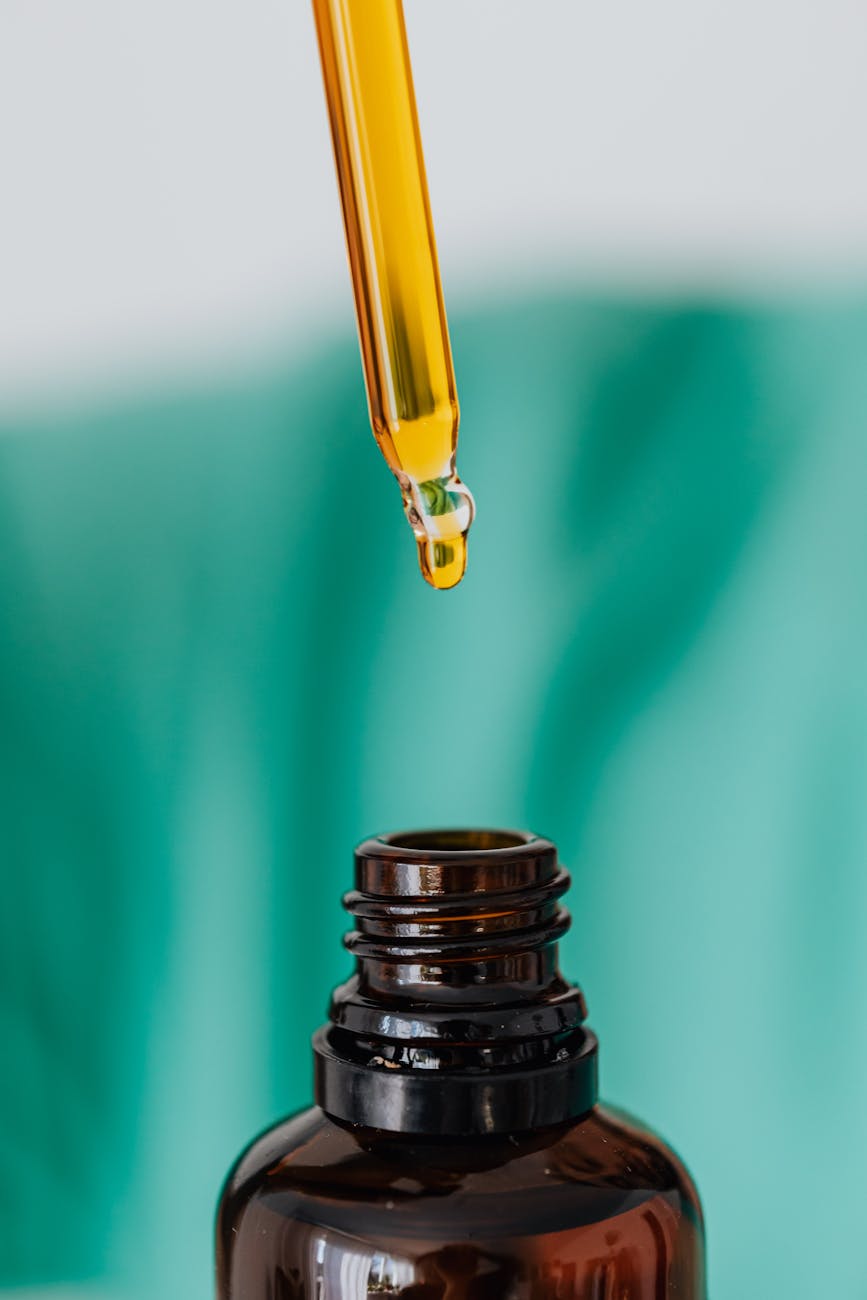
The Benefits of Chemical Peels
What are Chemical Peels?
Chemical peels are cosmetic procedures that use chemical solutions to exfoliate the top layer of skin. This can help to improve the appearance of the skin by reducing the appearance of fine lines and wrinkles, acne scars, and hyperpigmentation.
How Do Chemical Peels Work?
Chemical peels use acids to dissolve the bonds between skin cells, causing the top layer of skin to peel off. This reveals smoother, younger-looking skin. The type of acid used in the peel will determine the depth of the peel.
Benefits of Chemical Peels
Improved skin texture: Chemical peels can help to improve the texture of the skin by reducing the appearance of fine lines and wrinkles.
Reduced acne scars: Chemical peels can help to fade acne scars and improve the overall appearance of the skin.
Even skin tone: Chemical peels can help to even out skin tone by reducing the appearance of hyperpigmentation.
Anti-aging effects: Chemical peels can have anti-aging effects by stimulating collagen production.
What to Expect from Chemical Peels
The chemical peel procedure is typically performed in a doctor’s office or medical spa. The provider will apply the chemical solution to the skin. The skin may feel tingly or burning during the procedure.
After the procedure, the skin may be red and peeling. These side effects should subside within a few days. It is important to avoid sun exposure and harsh skin care products for a few weeks after a chemical peel.
Conclusion
Chemical peels are a popular cosmetic procedure that can help to improve the appearance of the skin. If you are considering a chemical peel, it is important to consult with a qualified medical professional to determine the best type of peel for your needs.