
The Author

Literary mysteries and deep forests.

Explore Work

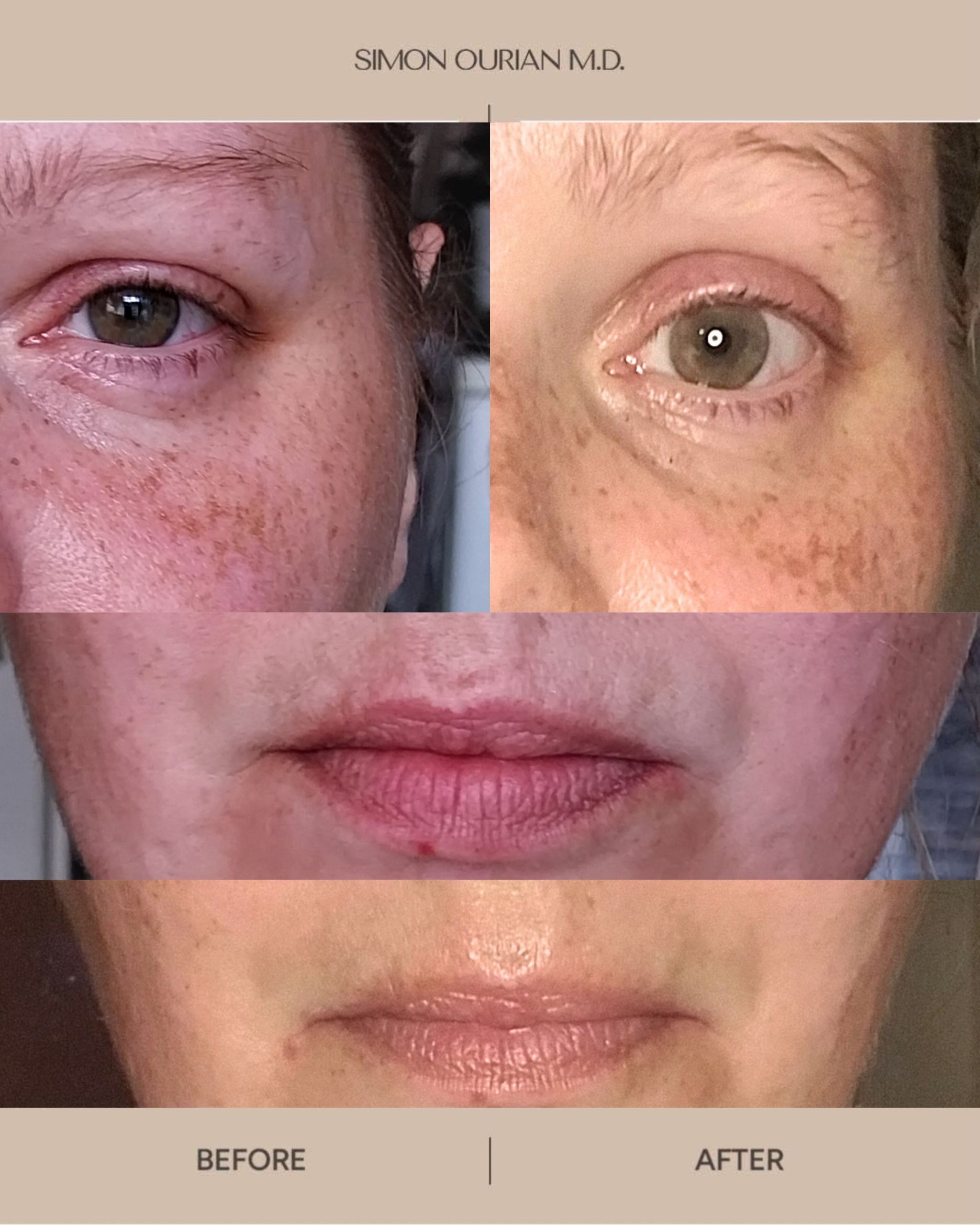
Skin Expert

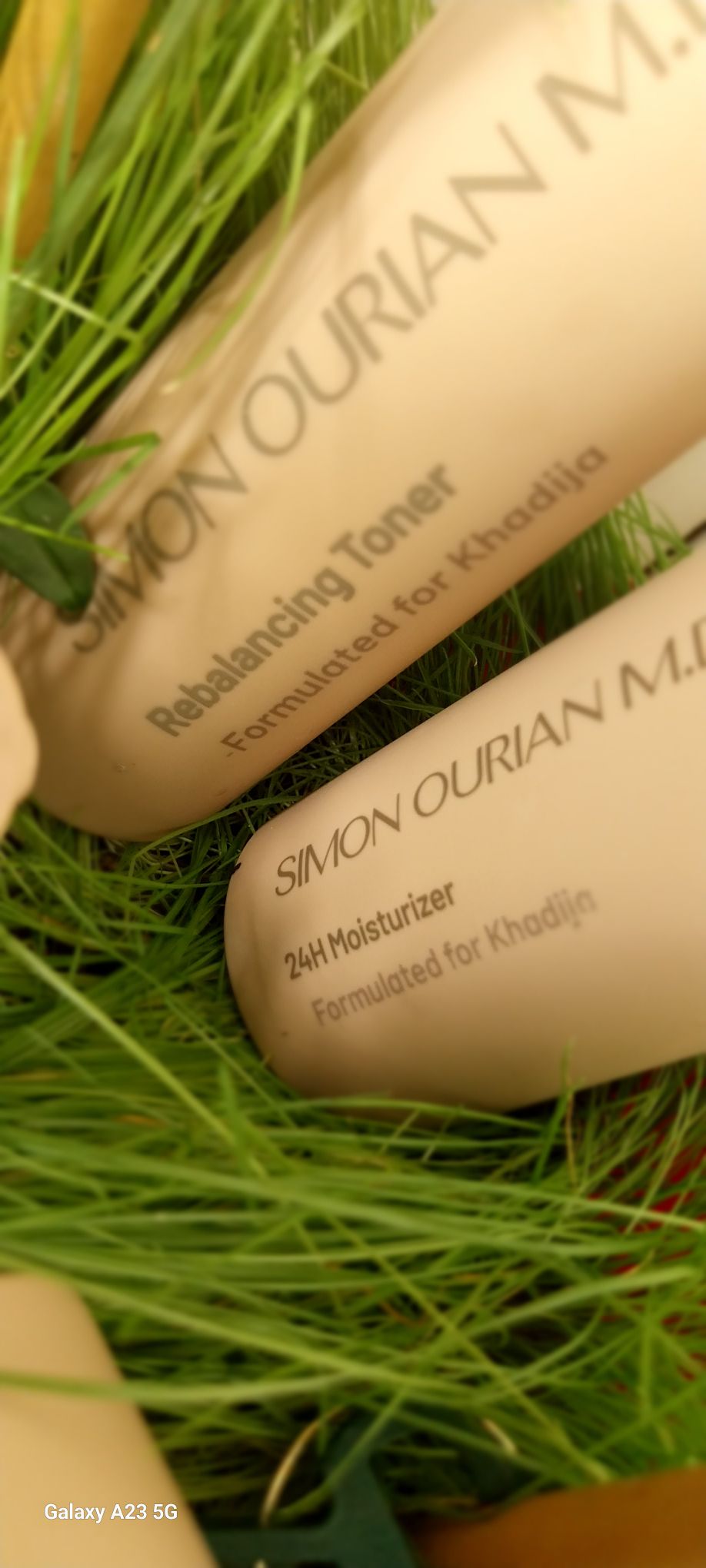
Partner of Dr. Simon Ourian MD.

Start Analysis

Khadija Louise

Bridging the gap between the art of storytelling and the science of skincare. Based in the Netherlands, collaborating with Beverly Hills.

Het mysterie van het fluisterbos book cover by Khadija Louise

Skincare Intelligence

Powered by AI and Dr. Simon Ourian’s expertise.

01

AI Skin Scan

02

Custom Protocol

03

Code: KHADIJALOUISE

Get My Routine

Het mysterie van het fluisterbos

A journey into the heart of the forest, where secrets are buried deep.

Order Copy
img src="Dr. Simon Ourian skincare analysis portrait" alt= src="https://via.placeholder.com/300x450" style="box-shadow: 20px 20px 0px var(--accent);"

Auteur: admin

  • Elevate Your Experience with Simon Ourian M.D

    Elevate Your Experience with Simon Ourian M.D

    Indulge in the exceptional quality and performance of our skincare range. Crafted with meticulous attention to detail and a commitment to excellence, our offerings are designed to enhance your life in meaningful ways.

    Experience the difference today and enjoy a discounted price when you use my friend and family code: KED1

    By using my code, you’ll not only receive a special discount but also support my growing small business . Together, we can make a positive impact and contribute to a brighter future.

    Right now we have a summer promotion. Don’t miss out on this limited-time offer. Order now and discover the transformative power of Simon Ourian M.D

    Here’s why you should choose Simon Ourian M.D:

    • Superior quality: Our products are meticulously crafted with the finest ingredients, ensuring long-lasting hydration and exclusive VIP program. We adhere to strict quality control standards to deliver products that exceed your expectations.
    • Innovative design: We prioritize cutting-edge technology and thoughtful design to create products that enhance your lifestyle and provide exceptional value. Our team of experts continually strives to develop innovative skincare sloutions that address your needs and preferences.
    • Exceptional customer service: Our dedicated team is committed to providing personalized assistance and ensuring your complete satisfaction. We value your feedback and are always ready to address any questions or concerns you may have.
    • Ethical and sustainable practices: We prioritize ethical sourcing and sustainable manufacturing to minimize our environmental impact. Our commitment to sustainability extends to all aspects of our business, from product development to packaging and distribution.

    So, what are you waiting for? Order now and experience the difference for yourself.

  • Sunburn and Skin Damage: Prevention and Treatment

    Sunburn and Skin Damage: Prevention and Treatment

    Sunburn is a common skin condition caused by excessive exposure to ultraviolet (UV) radiation from the sun. While it can be painful and uncomfortable in the short term, sunburn can also have long-term consequences, including premature aging and skin cancer.

    Understanding Sunburn

    Sunburn occurs when the skin’s cells are damaged by UV rays. The severity of a sunburn can vary from mild redness and tenderness to blistering and peeling. In severe cases, sunburn can lead to dehydration and heatstroke.

    The Dangers of Sunburn

    • Premature aging: Chronic sun exposure can accelerate the aging process, leading to wrinkles, fine lines, and age spots.
    • Skin cancer: Sun damage is a major risk factor for skin cancer, including basal cell carcinoma, squamous cell carcinoma, and melanoma.
    • Immune system suppression: Sunburn can temporarily suppress the immune system, making you more susceptible to infection.

    Treating Sunburn

    If you get a sunburn, it’s important to take steps to soothe the skin and promote healing. Here are some tips:

    • Cool compresses: Apply cool, damp compresses to the affected area to help reduce pain and inflammation.
    • Moisturize: Use a gentle, fragrance-free moisturizer to hydrate the skin and prevent dryness.
    • Over-the-counter pain relievers: Nonsteroidal anti-inflammatory drugs (NSAIDs) like ibuprofen or naproxen can help reduce pain and inflammation.
    • Aloe vera: Topical aloe vera gel can provide relief from sunburn pain and itching.
    • Avoid sun exposure: Stay out of the sun until the sunburn has healed completely.

    Preventing Sunburn

    The best way to protect your skin from sunburn is to avoid excessive sun exposure. Here are some tips for sun protection:

    • Wear sunscreen: Use a broad-spectrum sunscreen with a sun protection factor (SPF) of 30 or higher. Apply it generously to all exposed areas of skin, including your face, neck, ears, and hands. Reapply every two hours, especially after swimming or sweating.  
    • Seek shade: Seek shade during peak sun hours, typically between 10 a.m. and 4 p.m.
    • Wear protective clothing: Cover up with long-sleeved shirts, pants, hats, and sunglasses.
    • Check your skin regularly: Examine your skin regularly for any changes, such as new moles, unusual growths, or changes in existing moles. If you notice any suspicious changes, see a dermatologist.

    Long-Term Skin Damage

    Even if you don’t get sunburned, chronic sun exposure can still cause damage to your skin. This damage can lead to premature aging and skin cancer. It’s important to take steps to protect your skin from the sun throughout your life.

    By following these tips and taking preventive measures, you can help to protect your skin from the harmful effects of the sun and reduce your risk of sunburn and skin damage.

  • Hyperpigmentation: A Closer Look

    Hyperpigmentation: A Closer Look

    Hyperpigmentation is a skin condition characterized by patches of darker skin than the surrounding areas. It occurs when excess melanin, a pigment that gives skin its color, accumulates in certain areas. While it can be a cosmetic concern, it’s important to note that hyperpigmentation is generally harmless and doesn’t pose any health risks.

    Types of Hyperpigmentation

    There are several types of hyperpigmentation, each with its own unique causes and characteristics:

    • Melasma: This type of hyperpigmentation is characterized by brown or gray patches on the face, often appearing as a mask or butterfly shape. It is more common in women, especially during pregnancy or while taking certain medications.
    • Post-inflammatory hyperpigmentation (PIH): This occurs after a skin injury, such as acne, a burn, or an infection. The skin’s response to the injury can lead to increased melanin production.
    • Age spots (solar lentigines): These are flat, brown spots that develop on sun-exposed areas of the skin, typically in older individuals. They are caused by sun damage.
    • Freckles: These are small, flat, brown spots that are often present from birth or develop during childhood. They are also caused by sun damage.

    Causes of Hyperpigmentation

    The exact causes of hyperpigmentation can vary, but several factors contribute to its development:

    • Sun exposure: Excessive sun exposure is a common cause of hyperpigmentation, as UV rays can stimulate melanin production.
    • Hormonal changes: Hormonal fluctuations, such as those that occur during pregnancy or menopause, can trigger hyperpigmentation.
    • Skin injury: Acne, burns, or other skin injuries can lead to post-inflammatory hyperpigmentation.
    • Medications: Certain medications, including birth control pills, antibiotics, and anti-seizure drugs, can cause hyperpigmentation as a side effect.
    • Genetic factors: Some people may be genetically predisposed to hyperpigmentation.

    Treatment Options for Hyperpigmentation

    While hyperpigmentation can be challenging to treat, several options are available to help improve the appearance of dark patches:

    • Topical treatments: Over-the-counter or prescription creams and lotions containing hydroquinone, kojic acid, or azelaic acid can help lighten the affected areas.
    • Chemical peels: Chemical peels can exfoliate the skin and help to reduce hyperpigmentation.
    • Laser therapy: Laser treatments can target and break down excess melanin, leading to lighter skin.
    • Microdermabrasion: This non-invasive procedure can help to exfoliate the skin and reduce the appearance of dark patches.

    Prevention Tips

    Preventing hyperpigmentation is often easier than treating it. Here are some tips to help protect your skin:

    • Sun protection: Always wear sunscreen with a broad-spectrum SPF of 30 or higher when going outdoors. Reapply every two hours, especially after swimming or sweating.
    • Limit sun exposure: Avoid prolonged sun exposure, especially during peak hours. Seek shade whenever possible.
    • Gentle skin care: Use gentle skincare products that are formulated for sensitive skin. Avoid harsh scrubs or exfoliants that can irritate the skin.
    • Address underlying conditions: If you have a skin condition that can contribute to hyperpigmentation, such as acne or eczema, seek treatment to manage it.

    While hyperpigmentation can be a frustrating condition, with the right treatment and prevention strategies, it can be effectively managed. Consult with a dermatologist to discuss the best treatment options for your specific needs.

  • Dry and Sensitive Skin: A Delicate Balance

    Dry and Sensitive Skin: A Delicate Balance

    Dry and sensitive skin can be a frustrating and uncomfortable condition. Characterized by a lack of moisture and increased susceptibility to irritation, this skin type requires special care to maintain a healthy and comfortable complexion.

    Understanding Dry Skin

    Dry skin occurs when the skin’s outermost layer, the epidermis, doesn’t retain enough moisture. This can be caused by a variety of factors, including:

    • Genetics: Some people are naturally predisposed to dry skin.
    • Environmental factors: Cold, dry weather, excessive sun exposure, and frequent handwashing can strip the skin of its natural oils.
    • Aging: As we age, our skin’s natural ability to retain moisture decreases.
    • Certain medical conditions: Some skin conditions, such as eczema and psoriasis, can cause dry skin.

    Recognizing Sensitive Skin

    Sensitive skin is characterized by its increased reactivity to external irritants and allergens. Signs of sensitive skin may include:

    • Redness: The skin may become flushed or red after exposure to certain products or environmental factors.
    • Itching: Sensitive skin often feels itchy, especially when dry.
    • Burning: Some individuals with sensitive skin may experience a burning sensation.
    • Flaking: Dry, flaky skin is a common symptom of sensitive skin.

    Managing Dry and Sensitive Skin

    Caring for dry and sensitive skin requires a gentle and hydrating approach. Here are some tips:

    • Gentle cleansing: Use a mild, fragrance-free cleanser that is specifically formulated for sensitive skin. Avoid harsh soaps or scrubs that can strip the skin of its natural oils.
    • Moisturize regularly: Apply a rich, hydrating moisturizer several times a day, especially after cleansing. Look for moisturizers that contain ingredients like hyaluronic acid, ceramides, and shea butter.
    • Avoid hot water: Hot water can further dry out the skin. Opt for lukewarm or cool water when showering or bathing.
    • Limit exposure to irritants: Minimize your exposure to harsh chemicals, fragrances, and other potential irritants. Read product labels carefully and choose products that are labeled as hypoallergenic or suitable for sensitive skin.
    • Protect from the sun: Sun exposure can exacerbate dry and sensitive skin. Wear sunscreen with a broad-spectrum SPF of 30 or higher, even on cloudy days.
    • Avoid harsh exfoliation: While exfoliation can help to remove dead skin cells, it can also be irritating for sensitive skin. Choose gentle exfoliants and use them sparingly.
    • Consider a humidifier: Using a humidifier can help to add moisture to the air, especially during dry seasons.

    Products for Dry and Sensitive Skin

    When selecting skincare products for dry and sensitive skin, look for ingredients that are known to be soothing and hydrating. Some examples include:

    • Hyaluronic acid: This naturally occurring substance helps to draw moisture into the skin.
    • Ceramides: These lipids help to repair the skin’s barrier and prevent moisture loss.
    • Shea butter: This natural moisturizer is rich in fatty acids that help to hydrate and nourish the skin.
    • Oatmeal: Oatmeal has anti-inflammatory properties that can help to soothe irritated skin.
    • Aloe vera: Aloe vera is a natural moisturizer and has cooling and soothing properties.

    When to See a Dermatologist

    If your dry and sensitive skin is causing significant discomfort or doesn’t improve with over-the-counter treatments, it’s important to consult a dermatologist. They can help to diagnose any underlying skin conditions and recommend appropriate treatment options.

    By following these tips and seeking professional advice when needed, you can effectively manage dry and sensitive skin and enjoy a healthier, more comfortable complexion.

  • Acne and Oily Skin: A Common Combination

    Acne and Oily Skin: A Common Combination

    Acne and oily skin often go hand-in-hand. While both are common skin conditions, understanding their relationship can help you manage and improve your skin’s appearance.

    Understanding Oily Skin

    Oily skin is caused by overactive sebaceous glands, which produce sebum, a natural oil that helps to protect and moisturize the skin. When sebum production is excessive, it can lead to clogged pores, which can in turn contribute to acne breakouts.

    Several factors can contribute to oily skin, including:

    • Genetics: If your parents had oily skin, you’re more likely to have it as well.
    • Hormonal changes: Hormonal fluctuations, such as those that occur during puberty, pregnancy, or menopause, can increase sebum production.
    • Certain medications: Some medications, such as corticosteroids and lithium, can cause oily skin as a side effect.
    • Diet: While there’s no definitive link between diet and oily skin, some people may find that certain foods, such as dairy and sugary foods, can exacerbate their condition.
    • Stress: Stress can trigger the release of hormones that increase sebum production.

    The Link Between Oily Skin and Acne

    Oily skin creates an ideal environment for acne-causing bacteria to thrive. When sebum combines with dead skin cells, it can clog pores and form comedones (blackheads and whiteheads). These comedones can become inflamed and infected, leading to pimples, pustules, and other acne lesions.

    Managing Oily Skin and Acne

    While there’s no cure for oily skin or acne, there are many effective ways to manage these conditions. Here are some tips:

    • Gentle cleansing: Wash your face twice a day with a mild, non-comedogenic cleanser to remove excess oil and dirt. Avoid harsh soaps or scrubs that can irritate your skin.
    • Avoid over-washing: Washing your face too often can strip your skin of its natural oils and lead to dryness and irritation.
    • Use oil-free products: Choose makeup, moisturizers, and other skincare products that are labeled as oil-free or non-comedogenic.
    • Exfoliate gently: Exfoliating can help to remove dead skin cells and prevent clogged pores. However, be gentle and avoid using abrasive scrubs.
    • Avoid touching your face: Touching your face can transfer bacteria and dirt to your skin, which can contribute to acne breakouts.
    • See a dermatologist: If your acne is severe or doesn’t improve with over-the-counter treatments, consult a dermatologist. They can prescribe medications or other treatments that can help manage your condition.

    Prescription Treatments for Acne and Oily Skin

    Dermatologists may prescribe the following treatments for acne and oily skin:

    • Topical medications: These creams and ointments can help to reduce inflammation, kill bacteria, and unclog pores.
    • Oral medications: For severe acne, oral medications, such as antibiotics or isotretinoin, may be necessary.
    • Light therapy: This involves exposing the skin to ultraviolet light, which can help to reduce inflammation and kill bacteria.

    Lifestyle Changes for Clearer Skin

    In addition to medical treatments, certain lifestyle changes can also help to improve acne and oily skin:

    • Manage stress: Stress can exacerbate acne and oily skin. Practice stress-reduction techniques, such as yoga, meditation, or deep breathing.
    • Eat a healthy diet: While there’s no definitive link between diet and acne, some people may find that reducing their intake of sugary and processed foods can help improve their skin.
    • Get enough sleep: Lack of sleep can disrupt hormone levels and contribute to acne. Aim for 7-9 hours of sleep per night.
    • Avoid picking at your skin: Picking at pimples can lead to scarring and make your acne worse.

    By understanding the relationship between oily skin and acne and following these tips, you can effectively manage your skin condition and achieve a clearer, healthier complexion.

  • Psoriasis: A Skin Condition with a Complex Puzzle

    Psoriasis: A Skin Condition with a Complex Puzzle

    Psoriasis is a chronic autoimmune disease that causes skin cells to grow too quickly. This rapid growth leads to a buildup of thick, scaly patches on the skin’s surface. Although psoriasis is not contagious, it can be physically and emotionally challenging for those who live with it.

    Understanding Psoriasis

    Psoriasis is a complex condition that affects millions of people worldwide. The exact cause is unknown, but it is believed to be related to an overactive immune system. In individuals with psoriasis, the immune system mistakenly attacks healthy skin cells, causing them to grow at an abnormally rapid rate.

    The resulting buildup of skin cells forms thick, scaly patches that can be itchy, painful, and unsightly. These patches may appear anywhere on the body, but they often occur on the elbows, knees, scalp, lower back, and hands. In severe cases, psoriasis can also affect the nails and joints.

    Types of Psoriasis

    There are several different types of psoriasis, each with its own unique characteristics:

    • Plaque psoriasis: This is the most common type, characterized by thick, red, scaly patches on the skin.
    • Guttate psoriasis: This type involves small, drop-shaped lesions that often appear after an infection, such as strep throat.
    • Inverse psoriasis: This type affects the skin folds, such as the armpits, groin, and under the breasts.
    • Pustular psoriasis: This type is characterized by pus-filled blisters on the skin.
    • Erythrodermic psoriasis: This is a rare, severe form of psoriasis that covers most of the body with red, scaly patches.

    Symptoms of Psoriasis

    The symptoms of psoriasis can vary widely from person to person. Common symptoms include:

    • Thick, red, scaly patches of skin
    • Itching and burning sensations
    • Dry, cracked skin
    • Joint pain and stiffness (psoriatic arthritis)
    • Nail changes, such as pitting or thickening

    Triggers for Psoriasis

    While the exact cause of psoriasis is unknown, certain factors can trigger or worsen symptoms. These triggers may include:

    • Stress: Emotional stress can exacerbate psoriasis symptoms in many people.
    • Injuries: Skin injuries, such as cuts or scrapes, can sometimes lead to psoriasis outbreaks.
    • Infections: Infections, such as strep throat or tonsillitis, can trigger guttate psoriasis.
    • Medications: Certain medications, such as beta-blockers and nonsteroidal anti-inflammatory drugs (NSAIDs), can sometimes worsen psoriasis symptoms.
    • Weather: Cold, dry weather can irritate the skin and trigger psoriasis flare-ups.

    Treatment Options

    While there is no cure for psoriasis, there are several effective treatment options available. The best treatment approach will depend on the severity of the condition and the individual’s preferences.

    • Topical medications: These creams and ointments are applied directly to the affected skin and can help reduce inflammation and scaling.
    • Light therapy: This involves exposing the skin to ultraviolet (UV) light, which can help slow down the growth of skin cells.
    • Systemic medications: For severe cases of psoriasis, systemic medications, such as oral or injected drugs, may be necessary to control symptoms.
    • Lifestyle changes: Certain lifestyle changes, such as stress management techniques and a healthy diet, can help improve psoriasis symptoms.

    It’s important to work with a healthcare provider to develop a personalized treatment plan that addresses your specific needs and goals. With the right treatment and self-care strategies, individuals with psoriasis can manage their condition and live a fulfilling life.  

  • The Power of CPA Marketing: A Comprehensive Guide to Benefits

    The Power of CPA Marketing: A Comprehensive Guide to Benefits

    Cost per action (CPA) marketing is a performance-based advertising model where advertisers only pay for specific actions taken by users, such as sign-ups, downloads, or purchases. This model offers numerous benefits for both advertisers and publishers, making it a popular choice in the digital marketing landscape.

    Benefits for Advertisers

    • Pay Only for Results: CPA marketing ensures that advertisers pay only for tangible results, eliminating wasted ad spend on clicks or impressions that don’t lead to desired actions. This efficiency can significantly improve ROI.
    • Targeted Reach: CPA networks and platforms allow advertisers to precisely target their ideal audience based on demographics, interests, and behaviors. This targeted reach increases the likelihood of conversions and reduces the cost per acquisition.
    • Performance Tracking: CPA campaigns are easy to track and measure. Advertisers can monitor key metrics like conversion rates, cost per acquisition, and return on investment to optimize their campaigns and make data-driven decisions.
    • Scalability: CPA marketing is highly scalable. Advertisers can easily increase or decrease their ad spend based on performance, allowing them to allocate resources effectively and maximize their return.
    • Risk Mitigation: CPA models transfer some of the risk from the advertiser to the publisher. Publishers are incentivized to drive high-quality traffic and conversions, ensuring that advertisers only pay for results that meet their expectations.

    Benefits for Publishers

    • Revenue Generation: CPA marketing provides a reliable source of revenue for publishers, including websites, blogs, social media channels, and email lists. Publishers can monetize their traffic by promoting relevant offers and earning commissions for each completed action.
    • Diverse Revenue Streams: CPA networks offer a variety of offers, allowing publishers to diversify their revenue streams and reduce reliance on a single advertising source.
    • Flexible Monetization: CPA marketing can be integrated into various content formats, such as display ads, native advertising, email marketing, and social media promotions. Publishers can choose the monetization method that best suits their audience and content.
    • Performance-Based Payments: Publishers are only paid for successful conversions, ensuring that their efforts are rewarded based on their ability to drive results. This incentivizes publishers to focus on quality traffic and relevant offers.
    • Access to Exclusive Offers: CPA networks often provide publishers with exclusive offers and promotions that can increase their earning potential.

    Key Considerations for CPA Marketing

    • Offer Quality: The quality of the offers promoted by publishers plays a crucial role in their success. Publishers should carefully select offers that align with their audience’s interests and are likely to convert.
    • Creative Optimization: Effective creative elements, such as ad copy, visuals, and landing pages, can significantly impact conversion rates. Publishers should experiment with different creatives to find what resonates best with their audience.
    • Tracking and Analytics: Publishers need to use tracking tools to monitor their performance and identify areas for improvement. This data can help publishers optimize their campaigns and maximize their earnings.
    • Compliance: Publishers must adhere to all relevant advertising regulations and guidelines, including those related to data privacy and consumer protection.

    CPA marketing offers a mutually beneficial approach to digital advertising, providing advertisers with targeted reach and measurable results, while offering publishers a reliable source of revenue. By understanding the benefits and best practices of CPA marketing, both advertisers and publishers can maximize their success in this performance-based model.

    how i learned about this ?

    Join our skool

  • Thrive

    Thrive

    The Power of Collaboration: How Super Affiliate Academy is Fostering Entrepreneurial Growth

    In the ever-evolving landscape of online marketing, success loften hinges on the ability to adapt, learn, and grow. While individual expertise is valuable, the power of collaboration can significantly amplify one’s entrepreneurial journey. The Super Affiliate Academy is a prime example of how this principle can be harnessed to achieve remarkable results. By fostering a community where marketers can share knowledge, experiences, and advice, the academy is empowering individuals to strengthen their entrepreneurial game and generate consistent weekly income through affiliate marketing.

    One of the most significant benefits of seeking advice from other online marketers is gaining access to a wealth of real-world experience. These individuals have likely faced similar challenges and triumphs, and their insights can provide invaluable guidance. By learning from their mistakes and successes, you can avoid common pitfalls, identify promising opportunities, and refine your marketing strategies.

    Moreover, collaborating with other marketers can help you broaden your perspective and expand your knowledge base. Different individuals may have unique strengths and areas of expertise, and by sharing ideas and insights, you can learn about new techniques, tools, and trends that you may not have considered on your own. This can lead to increased innovation and creativity in your marketing efforts.

    Another advantage of seeking advice from other marketers is the potential for building valuable relationships. By forming connections with like-minded individuals, you can create a supportive network that can offer encouragement, accountability, and mentorship. These relationships can be instrumental in helping you stay motivated and focused on your goals, even during challenging times.

    Furthermore, collaborating with other marketers can provide you with a sense of community and belonging. In the often solitary world of entrepreneurship, it can be easy to feel isolated. By participating in a community like the Super Affiliate Academy, you can connect with others who share your passion and aspirations. This can help you feel more supported and inspired, ultimately leading to greater success.

    The Super Affiliate Academy is a prime example of how collaboration can foster entrepreneurial growth and success. By providing a platform for marketers to connect, learn, and grow together, the academy is empowering individuals to achieve their goals and generate consistent income through affiliate marketing. Through mentorship, peer support, and access to valuable resources, the academy is helping its members develop the skills and knowledge they need to thrive in the competitive world of online marketing.

    In conclusion, seeking advice from other online marketers is a powerful strategy for strengthening your entrepreneurial game and achieving long-term success. By gaining access to real-world experience, broadening your perspective, building valuable relationships, and fostering a sense of community, you can position yourself for growth and success in the dynamic world of affiliate marketing. The Super Affiliate Academy is a prime example of how this approach can be effectively implemented, providing its members with the tools and support they need to achieve their goals.

    https://khadijalouise–renouf.thrivecart.com/saa/

  • affiliated

    affiliated

    Hey there! Sales affiliate marketing is a way for people to earn money by promoting products or services for companies. Here’s how it works in a nutshell:First, you sign up to become an affiliate for a company. They’ll give you a unique link or code that you can share with others. When someone clicks on your link or uses your code to make a purchase, the company knows that the sale came from you.Then, you earn a commission for each sale that you generate. The commission amount can vary depending on the company and the product. Sometimes, you can even earn recurring commissions if the customer continues to make purchases in the future.To promote the products, you can use various methods like social media, blogs, or even word-of-mouth. The key is to reach out to people who might be interested in the products and convince them to make a purchase using your link or code.It’s a win-win situation because you earn money for every sale, and the company gets more customers. Just remember to disclose that you are an affiliate when promoting products to maintain transparency. Affiliate marketing offers several benefits for both affiliates and companies. Let me break it down for you:

    1. Passive Income: As an affiliate, you have the opportunity to earn passive income. Once you’ve set up your promotions and attracted an audience, you can continue to earn commissions on sales without actively working on it.

    2. Flexibility: Affiliate marketing allows you to work on your own terms. You can choose the products or services you want to promote, decide when and where to promote them, and have the freedom to work from anywhere as long as you have an internet connection.

    3. Low Start-up Costs: Unlike starting a traditional business, affiliate marketing requires minimal financial investment. You don’t need to create your own products, handle inventory, or deal with customer support. The company takes care of all those aspects.

    4. Wide Range of Products: With affiliate marketing, you can choose from a vast range of products and services to promote. This gives you the flexibility to align your promotions with your interests and the needs of your audience.

    5. Scalability: As an affiliate, there’s no limit to how much you can earn. You can scale your efforts by reaching a larger audience, expanding into different niches, or partnering with multiple companies.

    6. Learning Opportunities: Affiliate marketing provides an opportunity to learn valuable skills like digital marketing, content creation, and audience engagement. These skills can be applied to various other online ventures or even a future business of your own.

    Remember, success in affiliate marketing takes time, effort, and consistency. But with dedication and the right strategies, it can be a rewarding and profitable venture. Let me know if you’d like to know more! 😊

    Share this:

  • Have you ever considered earning money online?”

    Have you ever considered earning money online?”


    *

    Looking for a flexible way to make an income?” Here’s how it works in a nutshell:First, you sign up to become an affiliate for a company. They’ll give you a unique link or code that you can share with others. When someone clicks on your link or uses your code to make a purchase, the company knows that the sale came from you. Then, you earn a commission for each sale that you generate. The commission amount can vary depending on the company and the product. Sometimes, you can even earn recurring commissions if the customer continues to make purchases in the future.To promote the products, you can use various methods like social media, blogs, or even word-of-mouth. The key is to reach out to people who might be interested in the products and convince them to make a purchase using your link or code.It’s a win-win situation because you earn money for every sale, and the company gets more customers. Just remember to disclose that you are an affiliate when promoting products to maintain transparency. Affiliate marketing offers several benefits for both affiliates and companies. Let me break it down for you:

    1. Passive Income: As an affiliate, you have the opportunity to earn passive income. Once you’ve set up your promotions and attracted an audience, you can continue to earn commissions on sales without actively working on it.

    2. Flexibility: Affiliate marketing allows you to work on your own terms. You can choose the products or services you want to promote, decide when and where to promote them, and have the freedom to work from anywhere as long as you have an internet connection.

    3. Low Start-up Costs: Unlike starting a traditional business, affiliate marketing requires minimal financial investment. You don’t need to create your own products, handle inventory, or deal with customer support. The company takes care of all those aspects.

    4. Wide Range of Products: With affiliate marketing, you can choose from a vast range of products and services to promote. This gives you the flexibility to align your promotions with your interests and the needs of your audience.

    5. Scalability: As an affiliate, there’s no limit to how much you can earn. You can scale your efforts by reaching a larger audience, expanding into different niches, or partnering with multiple companies.

    6. Learning Opportunities: Affiliate marketing provides an opportunity to learn valuable skills like digital marketing, content creation, and audience engagement. These skills can be applied to various other online ventures or even a future business of your own.
    While affiliate marketing offers great flexibility and passive income potential, it does require consistent effort to build an audience and promote products effectively.
    Ready to learn more about getting started with affiliate marketing?

Latest Articles

View all posts →

USE CODE: KHADIJALOUISE